The Nature Nut
Published 12:30 pm Thursday, July 17, 2025
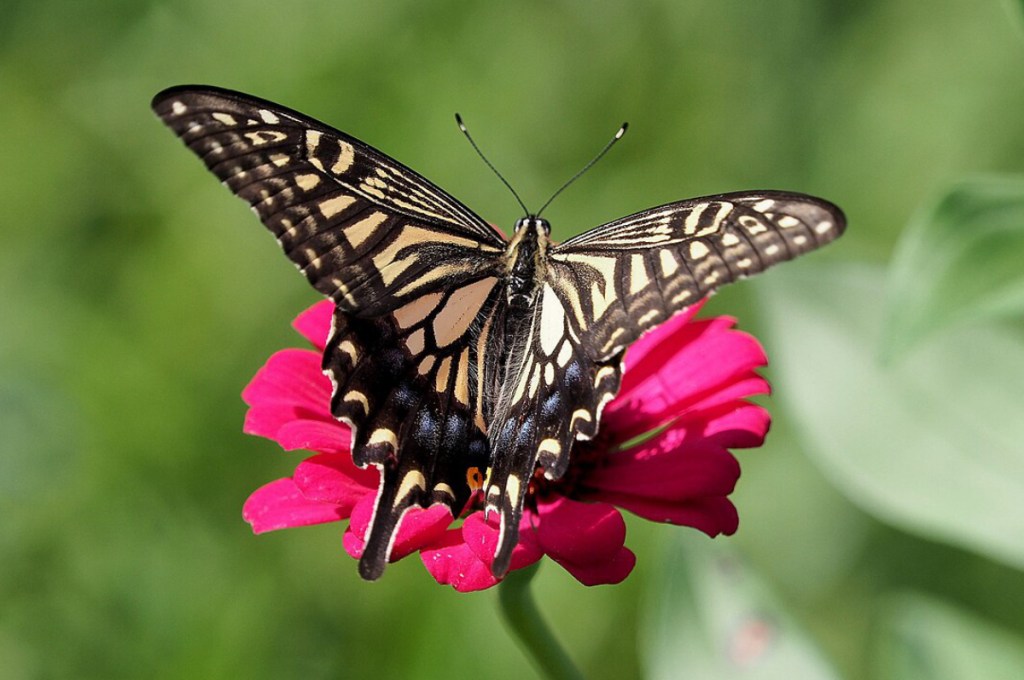
Kids in Japan really like insects, so do the adults. In fact, images of ‘bugs’ are everywhere, large gumballs contain insect toys, people raise beetles to sell, insect hobbyist societies were big by the 1930s and so on. The man who invented Pokémon based the “creatures” on bugs.
I learned all about this from a podcast (from a story called “Goo and You”) featuring an eight-year-old Japanese ‘insect scientist’ called Jo Nagai who raised swallowtail butterflies. He wanted to know if his swallowtail butterflies remembered what happened to them when they were caterpillars. What can a caterpillar pass on to the next generation?
Jo searched the scientific literature and read about an entomologist, Martha Weiss, working at a university in Washington, D.C. (U.S.A.), who was curious to know if adult moths could remember something that had happened to them when they were caterpillars. There are huge changes that take place between when a caterpillar crawls into a chrysalis (pupa), disintegrates into a blob of goo, then crawls out as a moth or butterfly, so it seemed highly unlikely at the time.
Weiss and her co-worker had trained moth caterpillars to hate the smell of ethyl acetate by simultaneously exposing them to a painful shock. After the caterpillars metamorphosed into adult moths, they found they still disliked the smell of ethyl acetate.
Jo contacted Martha Weiss to talk about his experiment in which he had exposed swallowtail caterpillars to lavender oil at the same time as giving them a mild shock using a muscle therapy device. His adult swallowtail butterflies disliked the lavender oil smell. He wanted Martha’s advice about taking the experiment one step further to see if the next generation (i.e. ‘grandchildren’) would also be averse to the lavender oil smell.
They talked and shared information and Martha gave him advice on experimental procedures. Jo, at age 10, sent the results of his experiment (translated into English) to Martha. Yes, indeed, the second-generation butterflies emerged remembering a dislike of lavender oil smell that the caterpillars two generations before had been exposed to. They had inherited a traumatic memory.
At the time (2008-2010), this was a bit controversial as the consensus was that only changes to the structure of the DNA itself (the genes) could be passed on to successive generations. However, since that time, the concept of epigenetics has become more studied and accepted. Epigenetics is the study of changes in the expression of genes that occur without any changes to the DNA.
Jo became famous, presented his results to the Japanese Emperor and at an international conference on entomology in Kyoto along with many other young entomologists.
The podcast can be found on YouTube.