The Nature Nut
Published 5:30 am Thursday, October 30, 2025
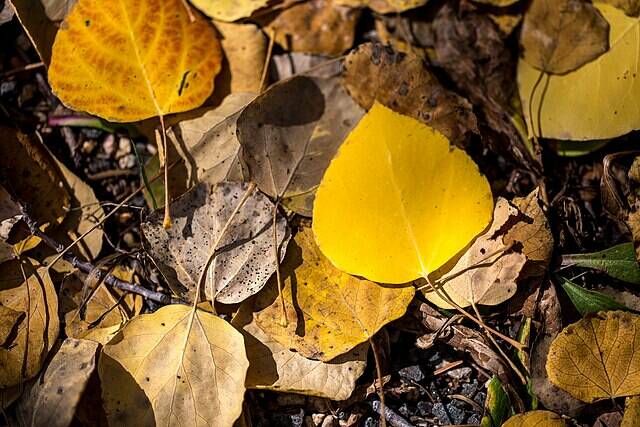
Together with the first frosty mornings, leaves falling all around us, and snow on the tops of the mountains, many of us are busy tidying up and putting the garden to bed, so we can relax inside the warmth of our homes.
There are some additional things we could be doing to make sure all our overwintering animal friends are taken care of throughout the winter.
Ensuring that the birds have food by keeping the feeders full is one of the most obvious activities that human bird lovers do. While many winter birds, as well as the flying squirrels, adore peanut butter, please do not put it out on the feeders until the temperatures are below zero (night and day).
Birds keep themselves warm by preening their feathers to fluff them out. If their beaks get sticky from eating fats (peanut butter and real suet especially), the feathers can get sticky too and may no longer keep the birds warm.
Real suet comes from around the kidneys of large animals, and it starts to melt at temperatures above zero. The fats, in the “suet/seed blocks” sold for feeding birds, have been modified to prevent them from melting. Chunks of fat are less likely to get sticky.
Other activities may not be so obvious.
Instead of burning the piles of leaves or taking them to the dump, how about trying to create some overwinter habitat for all the insects, other arthropods, and small animals that live in leaf litter by piling leaves in corners, under shrubbery, at the edges of lawns, under trees, etc.
These piles will contain many creatures that are valuable food items for the winter birds, small mammals and even returning migrant birds, as well as provide protective cover for creatures such as spiders and beetles that are beneficial in our gardens.
Aspen and other deciduous leaves are full of nutrients and enrich the soil for the spring growth. Walk through a local aspen stand in the spring and see how lush the understory is with so many spring-flowering plants and shrubs.
I have been wondering why my perennial flower borders do so well when I never seem to have the time or energy to fertilize them. Then it dawned on me that I never cut down the plants in my borders in the fall. In spring I note that only the dead stems are left, whereas most of the leaves have decomposed and the nutrients have returned to the soil.
Leaves left on the garden and lawns help to fertilize the soil as well as provide cover for bumble-bee queens, rodents, spiders and toads, as I have mentioned before.
Dead flower stems, especially large hollow ones, can also be places for some creatures to overwinter.
Downy Woodpeckers are especially attracted to moth galls on thimbleberries that contain a winter treat of juicy larvae inside.