Support for B.C. conservation goals crosses political lines
Published 12:30 pm Thursday, August 8, 2024
With school out and summer temperatures here, many of us will head to explore, camp, bike and spend time with family outdoors in BC’s provincial parks and recreation sites. While we’re lucky in the Northwest to be fewer in number, we can still face challenges finding campsites.
Everything was booked up at Lakelse Lake for Canada Day long weekend more than a month in advance when I admittedly tried to reserve a tent site.
The growing use and enjoyment of parks is a good thing, as is the province’s commitment to nearly double the amount of protected areas in British Columbia.
In recent polling that we did with Leger, we found that 85 per cent of us support B.C.’s goal of protecting 30 per cent of lands and waters by 2030. While we don’t always agree on much, there is strong support across political lines to see more done to conserve British Columbia’s fish, wildlife and habitat.
And no wonder. Things have gotten progressively worse for fish and wildlife. Whether iconic species such as steelhead and caribou, or Skeena sockeye and moose, numbers are precariously low.
This scarcity impacts food security, especially in times of record-high grocery prices. It also increases conflicts among residents as increased limits are put on access to fish and hunt.
We need more habitat protection as part of the overall efforts to curb declining populations. It is more effective and less expensive to protect than it is to restore habitat and try to bring species back from the brink.
British Columbians widely support expanding protected areas where there is a high number of species at risk of extinction (88 per cent); intact watersheds (86 per cent); and to allow for wildlife connectivity (84 per cent).
In addition, our polling found there’s strong support to make sure some areas are off-limits to mining, including salmon rivers (77 per cent).
The current cyanide leaching from a gold mine into a fish-bearing creek in the Yukon is a stark reminder that tailings dams and practices such as heap leaching piles need to be built with safety first, and kept back from putting our salmon rivers at risk from catastrophic spills such as Mount Polley into Quesnel Lake, and leaks, such as Tulsequah Chief mine waste into the Taku watershed.
There was some small progress toward increasing BC’s protected area network with the recently announced expansion to Klinse-za Park (Twin Sisters Park) in the Peace region, an area heavily impacted by industrial development.
This is the largest BC park announced in over a decade and was made possible under the leadership of the West Moberly and Saulteau First Nations after extensive local engagement and input. It is a great legacy that will help with ongoing caribou recovery and provide recreational access to nature for generations to come.
We need more of these conservation announcements to meet our goal of 30 per cent protection. There are already a number of Indigenous-led conservation areas that would move us further along. As our survey points out, British Columbians overwhelming support nature conservation and we need to remind our leaders of this as we head into the upcoming 2024 BC election.
But with summer here, we also need to just get out bird watching, riding on the trails, paddling and fishing, jumping in the lake, and enjoying the access to nature that we already have.
If you’re organized and flexible, enjoy one of the cherished BC parks campsites. Hopefully there will be more soon.
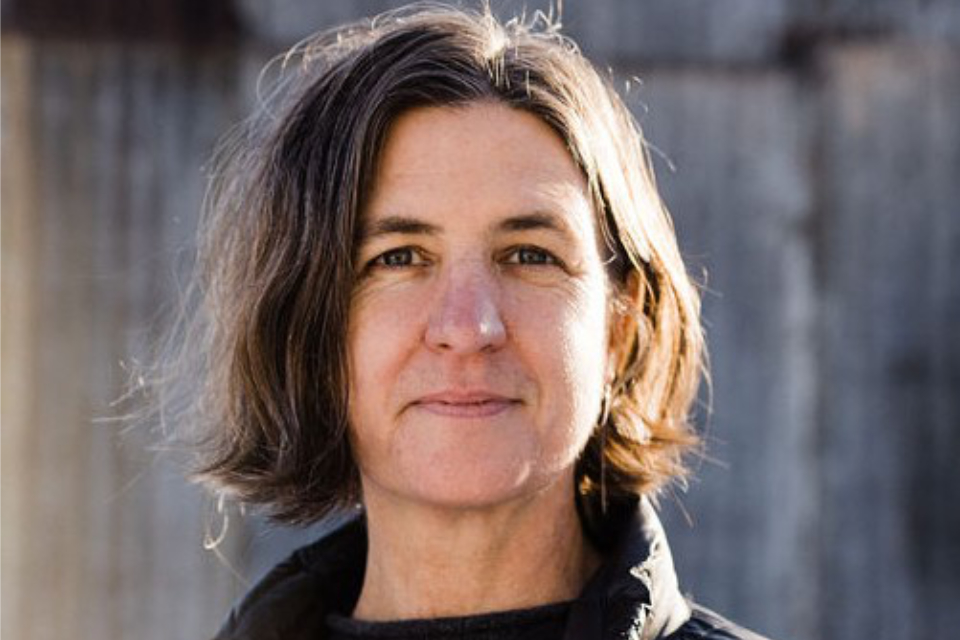
Nikki Skuce is the Director of the Northern Confluence Initiative in Smithers, B.C.