The Nature Nut
Published 12:30 pm Thursday, October 9, 2025
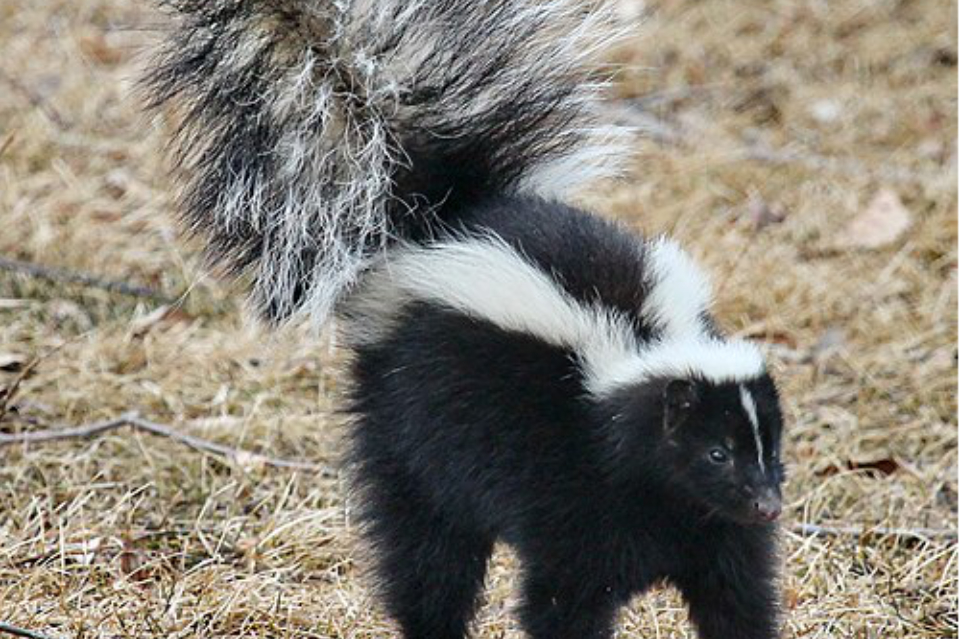
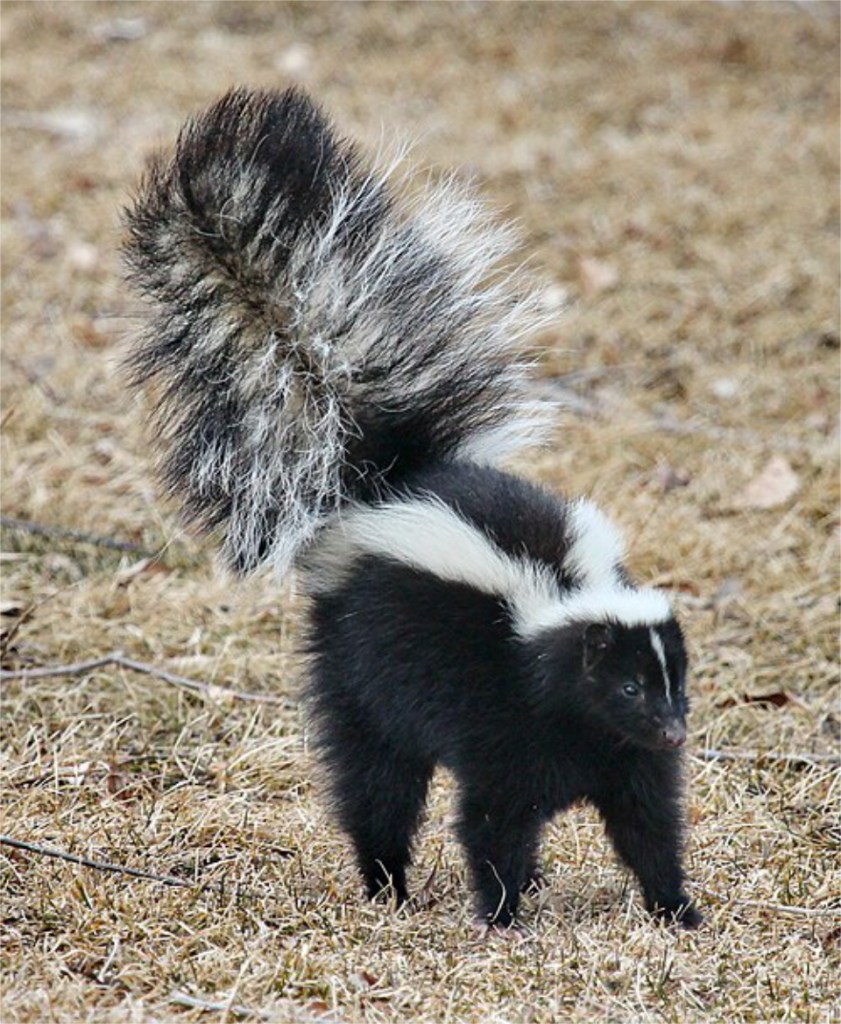
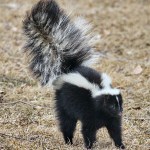
Back in the late 1970s when we were first exploring the Bulkley Valley, we came across a striped skunk on Old Babine Lake Road near the junction with the new Babine Lake Road. It was shuffling around in the remains of a wildfire burn.
At the time we did not realize that skunks were rarely seen here. In fact, it was commonly believed that skunks did not occur in the western part of northwestern BC – certainly not west of the Coast Mountains, but Dave Hatler tells of skunks being reported in the Nass area and seen dead on the road between Terrace and Prince Rupert in the 1930s.
One also fumigated a logging camp cook shack at Nass Camp in 1991.
Dave himself had an amazing encounter with a striped skunk in Smithers in 1985 that wandered around him as he was resting (very quietly and still). It even sniffed at his feet before shuffling away.
The striped skunk is much more common in more open habitats and does well in the northern Prairies and open country of the Central Plains. They do not do well in the closed coniferous forests typical of much of BC, but where they are found near coniferous habitat, they tend to prefer edges, wetland openings and riparian areas along rivers.
Striped skunks are primarily carnivorous in winter and prey mainly on a variety of insects. The rest of the year they are omnivorous capturing small animals such as frogs, toads, mice, voles, bird eggs and nestlings, and crayfish. They will also eat carrion, fruits, and human garbage, as well as crops such as corn.
Striped skunks den in winter in underground burrows or often underneath farm buildings. Dens may be lined ahead of winter with grasses and leaves. An interesting feature is that as many as 20 adults may share one den, usually mainly female and one male. Natal dens may be in hollow logs or cavities in or under rock and debris piles or any structure that provides cover from predators and weather.
Striped skunk (Mephitis mephitis from mephit meaning ‘bad odour') is so-called because of the foul, penetrating compound released from its anal glands when alarmed or threatened. The smell, together with the warning of the black and white striped pelage, certainly works as many people can attest to.
There is a second subspecies found in B.C. in the lower Fraser River Valley and down into Washington and Oregon states that has white spots instead of stripes – hence is known as the spotted skunk.
Information gathered largely from Hatler, Nagorsen and Beal, 2008, Carnivores of British Columbia, Royal BC Museum Handbook.