The Nature Nut
Published 12:30 pm Thursday, September 25, 2025
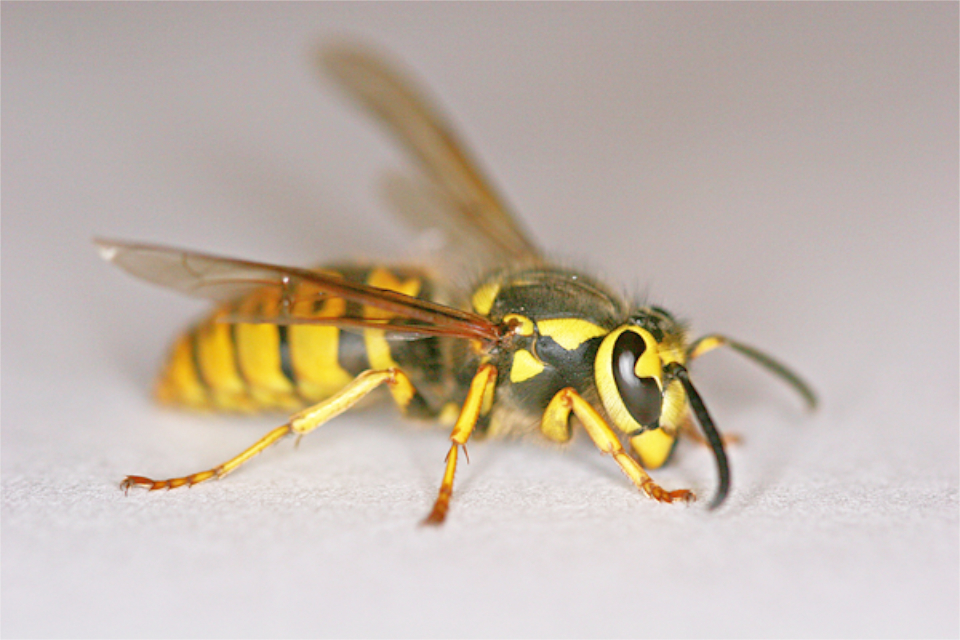
Nobody likes wasps or yellowjackets.
Well, maybe a few entomologists might like them, but most people dislike them because they are persistently attracted to our sweet, smelly and sticky foods and known to give nasty stings.
I read yesterday that the people in Ontario and Quebec have been having a terrible infestation of wasps this summer and early fall, but they have not been too bad in this part of B.C. this year. We are lucky that we had a relatively cool May this year. My entomologist friends tell me that a warm or hot May means wasp trouble later.
In recent years, we have been having some very warm weather in May, quite unlike the spring-like weather we had historically.
Environment Canada reports the average May temperature in Smithers between 1981 and 2010 was a high of 16 C and a low of 1 C.
May is the month when the queen wasps come out of hibernation, start their first nest and lay eggs. When the workers hatch, they expand the nest. If the weather is warm or hot, the nest grows rapidly resulting in a bigger population of wasps than normal.
Later in the summer, when they are all desperate for some moisture in any form (including your hotdog, sticky candy or sugary sweet juice), they turn aggressive and will readily give you a sting.
About five years ago, we had so many wasps that I could not put my hand among the raspberries to pick fruit without touching wasps that were so pre-occupied sucking my raspberries dry that they did not sting me. Most of the berries were too dry to eat so we abandoned the harvest.
Paper wasps are territorial, so now we hang fake nests (small stuffed paper bags) to deter the wasps from visiting the berries.
For treating a sting, a cotton pad soaked in moist baking soda works well. But the best is Sphagnum (peat) moss, as I discovered once in the subalpine when my hubby stepped on a wasp’s nest hidden under a tree branch low to the ground.
He was fine, but I was stung all over. Luckily, there was some Sphagnum growing nearby. It is amazing stuff. Not only is it highly absorbent but it contains an antiseptic.
Its absorbent properties were used in First World War when field nursing units ran out of bandages and used the moss to soak up blood. The wounds also healed faster than normal.