PHOTOS: Stuck duck successfully rescued in Harrison
Published 5:21 pm Monday, October 20, 2025
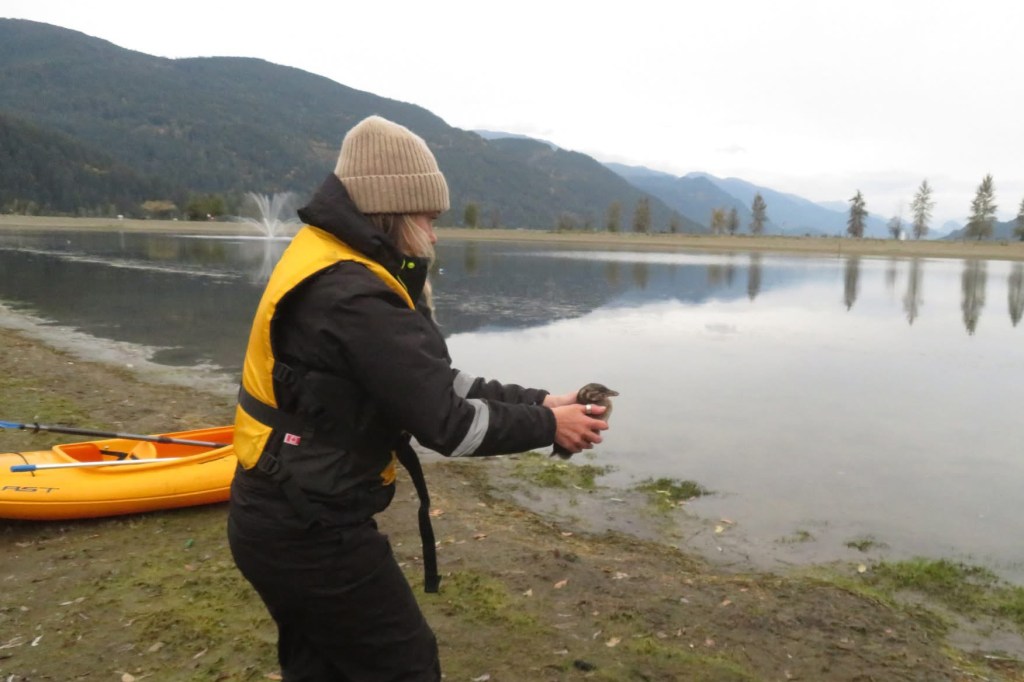
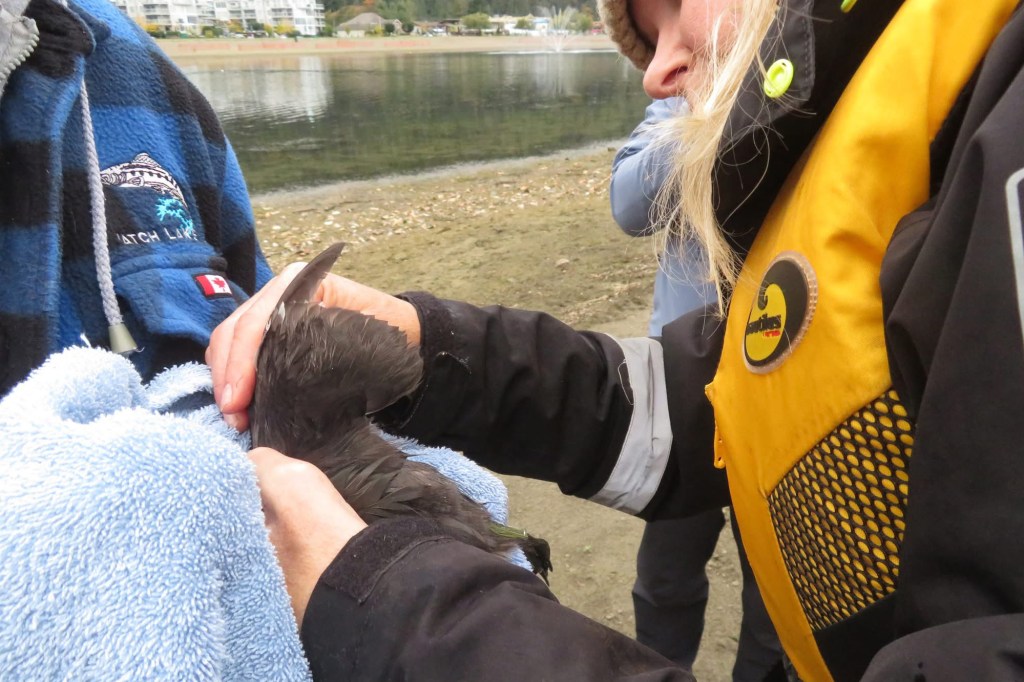
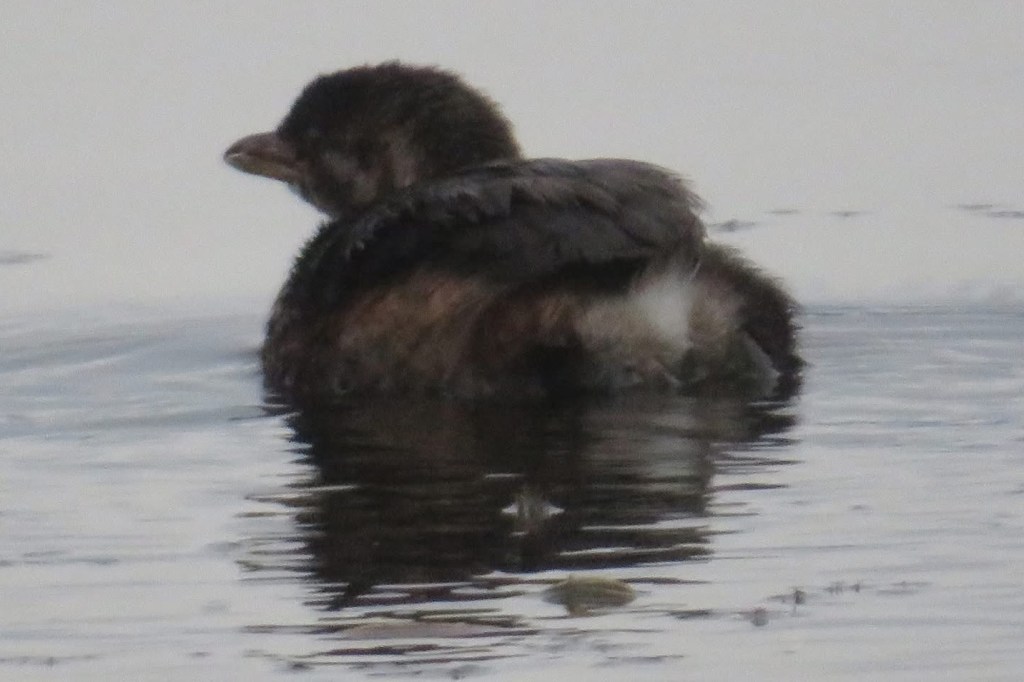
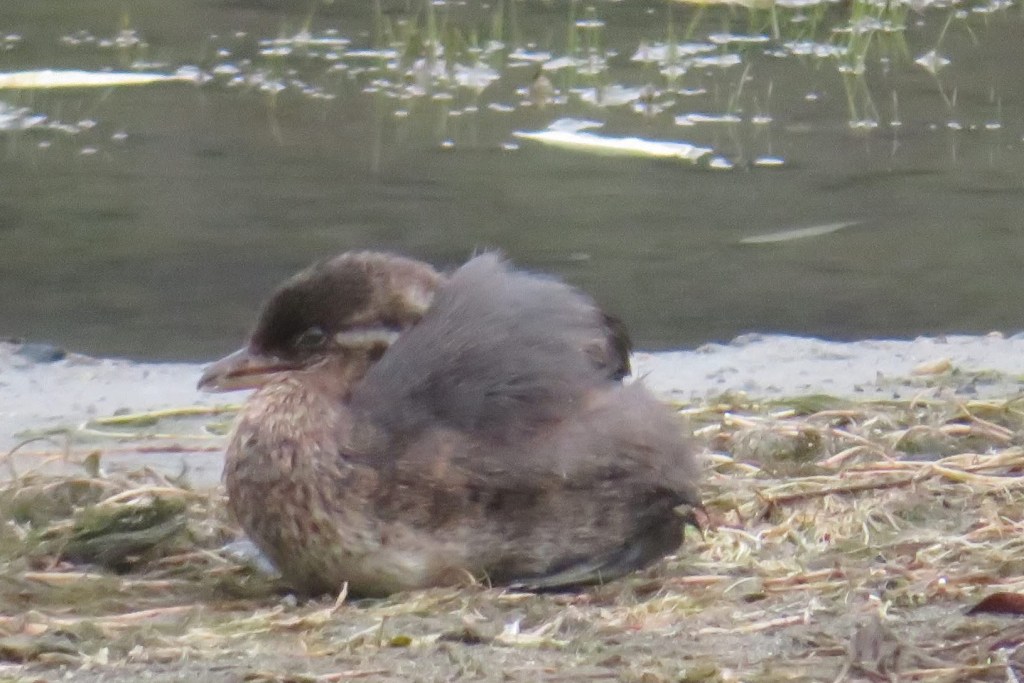
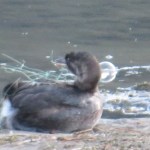

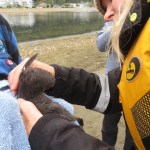
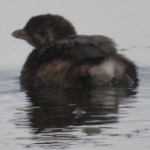
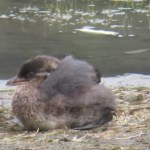
A young duck has a new lease on life thanks to volunteers and rescue workers in Harrison Hot Springs.
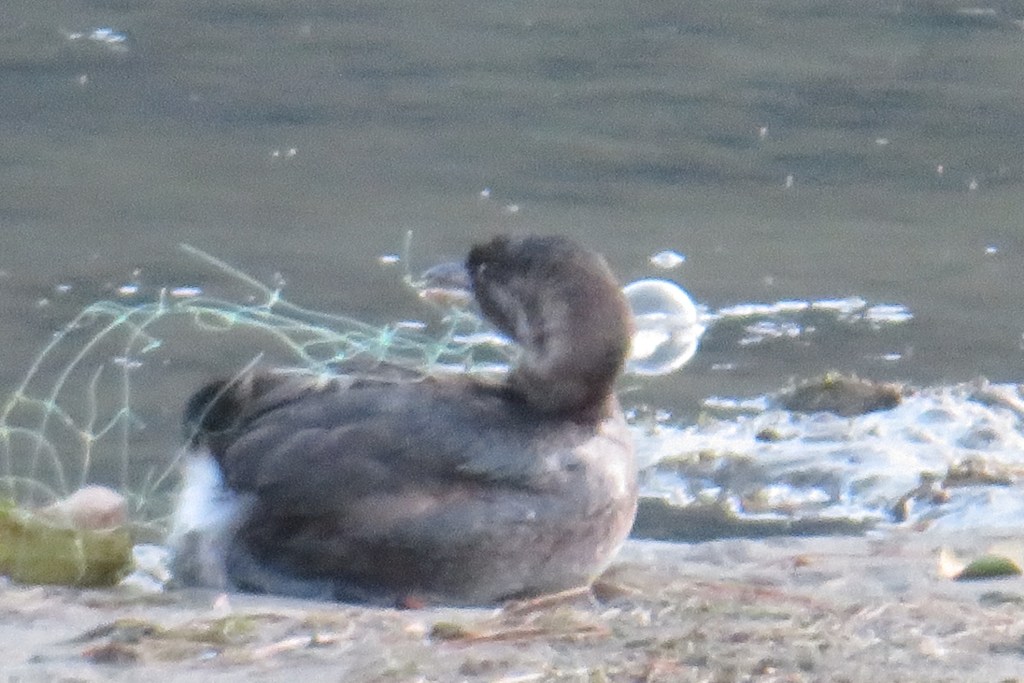
Early last week, Miami River Streamkeepers Society member Janne Perrin spotted a duck – a juvenile pie-billed grebe – tangled up in plastic mesh in the Harrison Lake lagoon.
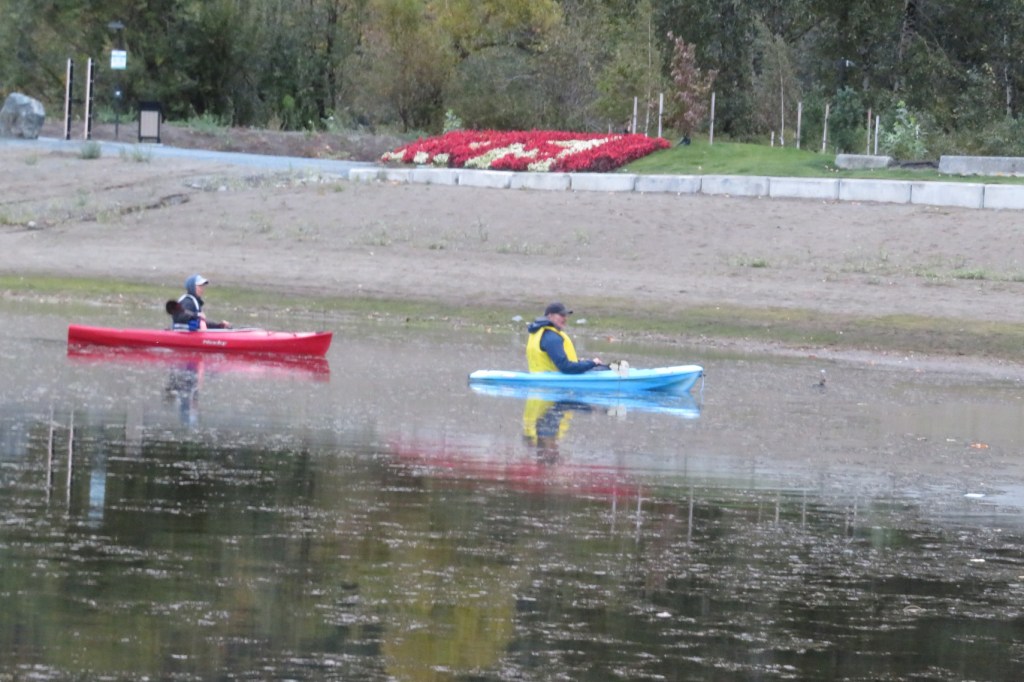
Rescue efforts began last Friday (Oct. 17) morning when a pair of kayakers and a total of seven people tried to rescue the bird, hoping to herd it toward the shore. Perrin said rehabbers discouraged the rescuers from cutting the bird free of the netting as that would be a task better suited for professionals and to avoid any further injury to the duck.
They would redouble their efforts the following morning. Several others volunteered to help via social media as Perrin posted updates on the situation. She contacted the Wildlife Rescue Association based in Burnaby. On Saturday, it took four kayaks, volunteers and representatives from two wildlife rescue organizations to capture the duck, remove the netting, check for injuries and release it back into the wild.
The plastic netting that snared the duck was believed to be underlay from grass sod. The rescued duck was believed to have been spotted later that weekend.
Perrin reminded the public that all forms of plastic can be a hazard for wildlife, including plastic bottles or bags, and to dispose of them in their proper containers.
The pie-billed grebe can mostly be seen throughout southern B.C.; they are reasonably common among the marshes and ponds of Agassiz-Harrison. They use their thick, short bills to kill and eat crustaceans, fish, amphibians and bugs.
These ducks are not currently of conservation concern in B.C., considered as a stable population over the long term, according to information from Environment Canada. The pie-billed grebe can migrate as far south as the Caribbean Sea or South America in the winter, particularly settling in the coastal regions.