‘Forgiveness needs to happen’: B.C. residential school survivor breaks cycle of hatred
Published 2:00 pm Tuesday, September 30, 2025
Editor's Note: This article contains descriptions of abuse endured or witnessed by children at “Indian hospitals”, and Kuper Island Residential School that may be triggering. It mentions violence against children, including sexual, physical, mental and emotional abuse.
For seɫɫəmah, also known as Joan Morris, that comparison was all too real. She lived it.
Taken from her home at age 10, Morris was sent to a place where children went hungry and endured relentless punishments. Many who went to the residential school were never able to return to their homes.
She suffered physical and mental abuse, witnessed sexual assaults, and saw classmates murdered.
Forgiveness can seem impossible after years of neglect and cruelty, yet for some, it becomes a way to reclaim humanity.
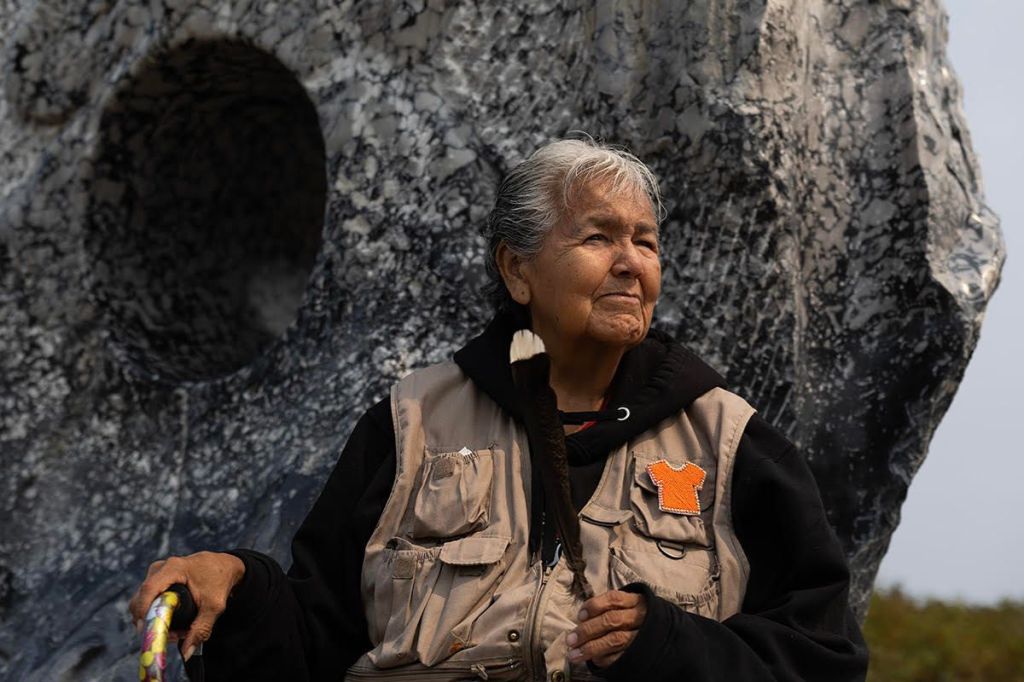
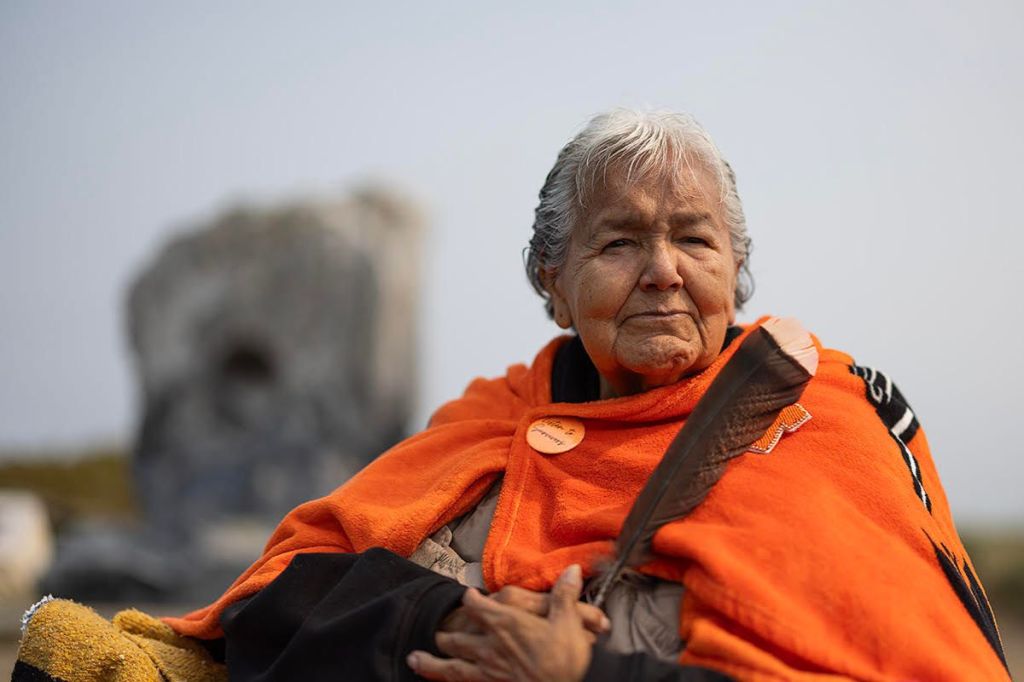
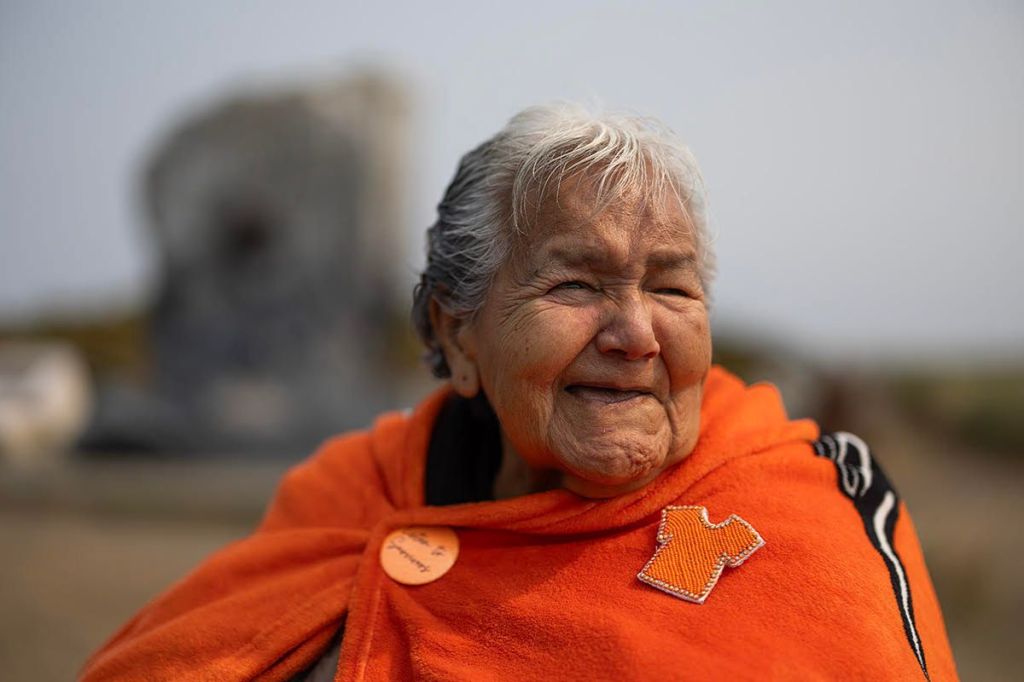
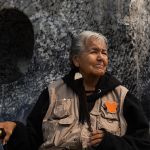
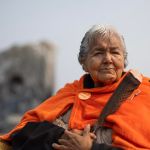
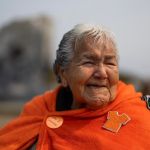
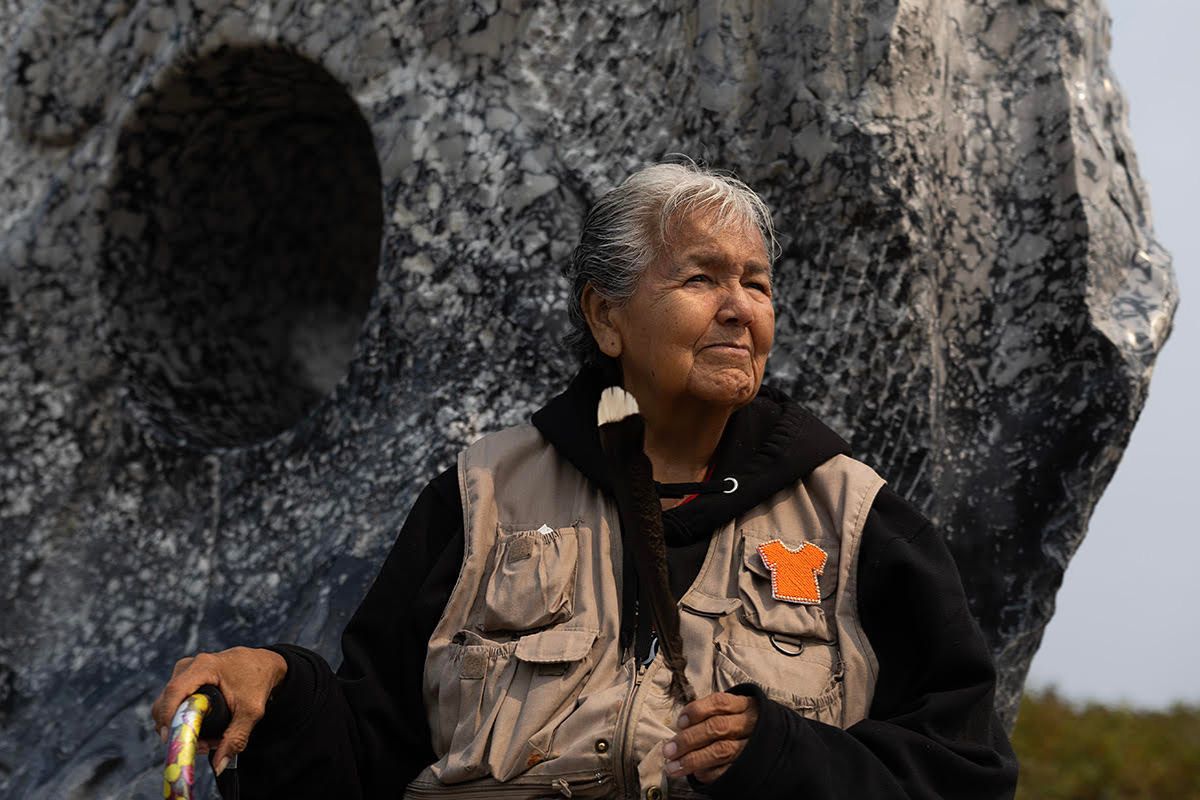
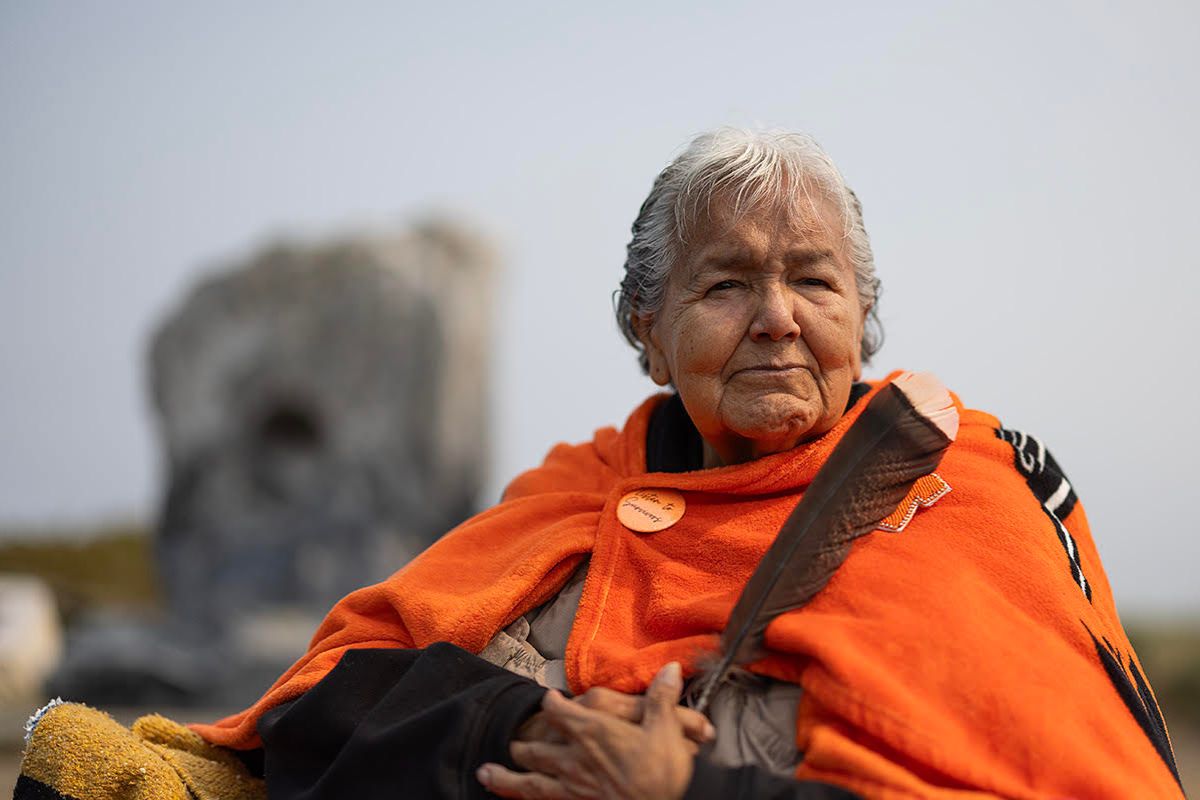
Morris, a leǩʷəŋən elder from the Songhees Nation on southern Vancouver Island who lived on the nearby Chatham Islands (tl'čəs) until 1957, shows that forgiveness is not abstract, it is lived. Amid this suffering, she eventually faced the people who hurt her, choosing to forgive.
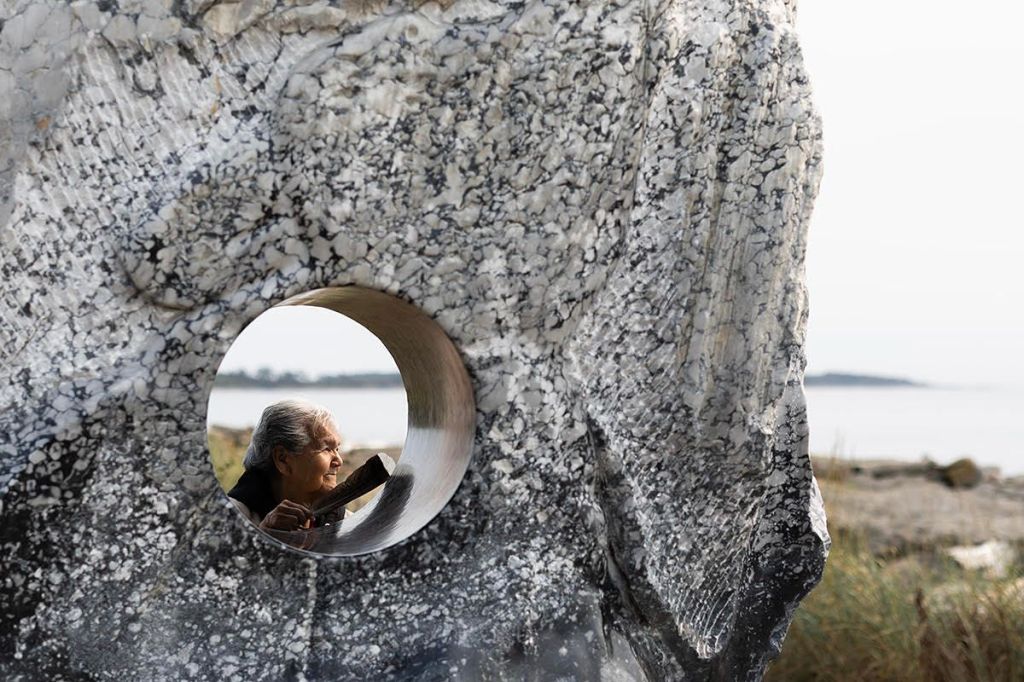
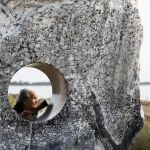
She reflected on her journey in front of the Soul of a Wolf sculpture by Saanich artist Kent Laforme. Honouring Staqeya, the lone wolf who lived on Discovery Island on Songhees territory, the piece provided a fitting backdrop as Morris revisited her past.
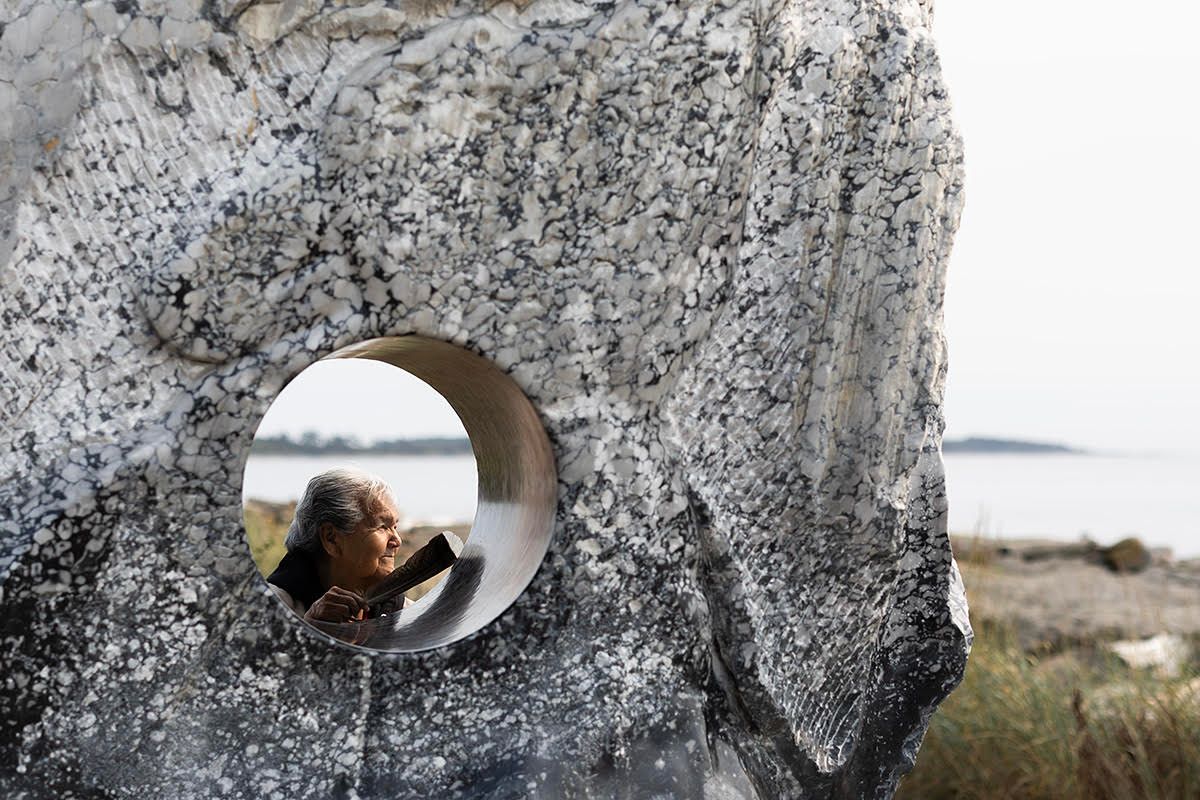
Life before Kuper Island
Morris remembers how life was before she was sent to Kuper Island, where compassion, kindness, and communication were at the forefront.
“You have to learn to shut this,” she said, pointing to her mouth, “and open these,” as she touched her ears. “That’s how it was over there," she said. "I was brought up with such love, kindness, equality. There was no one above the other to walk ahead of me, to walk behind me. Compassion, kindness, communication at the top. Love says all of that."
The contrast between her upbringing and what she experienced at Kuper could not have been starker.
“I never knew what hunger was, or a slap, until the first day of Kuper Island,” she recalled.
Life at Kuper Island
Kuper Island Residential School, situated on present-day Penelakut Island off the coast of Chemainus, was accessible only by a ferry controlled by the Catholic priests and brothers who worked there.
Food was scarce, and meals were often inedible.
“You would be lucky to get a glass of water. Once in a while, you’d get a slice of bread. Breakfast was at 8 a.m., lunch at noon, and dinner at 4 p.m. You would go hours with your stomach growling," Morris said.
Children scavenged to survive.
“When we used to go for hikes into the mountain, we would try and sneak fruits off the trees and hide them, just so we wouldn’t go starving in the evening," she said. "Most of the time when we would get our toast in the morning, there was mould on it.”
The isolation gave the school its grim nickname.
“A lot of our people call it the native Alcatraz. We were in prison, surrounded by water. We’re not missing thousands of kids, we’re missing a million,” Morris said. “Some of the kids would go to the dock looking to get across to Chemainus, and they were never seen again.”
At Kuper, children were stripped of their identities and given numbers instead.
“I was number 54, later 41. Those were the numbers that were assigned to us," Morris said. "I remember when we would go downstairs, to the dungeon, they (priests and nuns) all knew we were going down there alone.”
The “dungeon” was a dark basement where punishments were violent. Morris remembers one nun, Sister Superior, as the most gruesome.
“They would bring you down by choking you. You would black out, then they would do what they wanted,” she said.
The history of Kuper Island casts a long shadow.
The National Centre for Truth and Reconciliation estimates that 121 children died at the school.
In 1895, when holidays were cancelled, students set fire to the building. A survey from that same year showed that of 264 former students, 107 had died. Tragedy continued through the decades. In 1959 two sisters drowned trying to escape, and in 1966 another student died by suicide.
The federal government assumed control in 1969 and closed the school in 1975. In 1995, a former employee pleaded guilty to indecent assault and gross indecency.
Indian Hospitals
Outside of residential schools, Morris’s family was impacted by medical experimentation at Indian Hospitals.
“I can tell you about my uncle, and my dad. They were both taken into the experimental lab. My uncle Ivan had a great big scar from his throat all the way down his back. They took out three of his ribs," she said. "After that, they threw him onto the gurney and down the hall. The only reason he didn’t die is because my dad, (Abraham Morris), his brother, was there."
Her home life had its own hardships.
“When I was born, both my parents didn’t want me. My dad only wanted sons, no daughters. My mom was forced into the marriage, and to make matters worse, I came along," she said. “My mom could never say ‘I love you’ to me. She could write it, but she couldn’t say it out loud. That’s why I make sure to tell everyone in my family, ‘I love you.’ I always want them to know they are loved by me. But before my mom died, I forgave her. That’s important.”
Anger and Forgiveness
Her anger toward her abusers remained raw for years.
“I swore when I got out of Kuper, if I ever saw any of those nuns, especially Sister Superior, I’d grab her by the throat, throw her to the ground… and kick her around. See how she likes it," Morris said.
The same rage lingered when she thought about the Indian Hospitals.
“Still to this day, when I hear and see some of those doctors, nurses, even the interns, on the outside, I am smiling, but inside, my boy, if they only knew what I went through: the experimentation, the mutilation, the sexual perversion, the beatings. If you didn’t listen to them, whether it was right or wrong, you would get it," Morris said.
But in time, even her fury transformed.
Years later, before Sister Superior passed away, Morris visited St. Anne’s with her best friend, Lynette. She waited for hours to see the nun who had haunted her thoughts.
“You know, I know you think I hate you. I used to, and I used to daydream of making you go through every bit of pain that you put me through," she said, adding that she dreamt of ripping the rosary off the nun's neck.
When the moment arrived, though, she chose a different path.
“I grabbed her hand and said, ‘Mrs. Superior: I came to ask for your forgiveness for hating you for the past 50 years.' She started to cry. She put her hand on my head, and then I started to cry, because she said, ‘I’m asking for your forgiveness for what I did to your people.’”
In that exchange, Morris found peace.
“We need equal love, compassion, kindness, and the biggest one is love. This is hard for me to say sister, but I love you. I’m learning to love you, and to forgive.”
They hugged, and in that embrace, the cycle of hatred and fear began to loosen.
“Forgiveness needs to happen,” she said. “Forgive me, because I need to walk with love, compassion, and kindness."
Support for survivors and their families is available. Call the Indian Residential School Survivors Society at 1-800-721-0066, or 1-866-925-4419 for the 24-7 crisis line. The KUU-US Crisis Line Society also offers 24-7 support at 250-723-4050 for adults, 250-723-2040 for youth, or toll free at 1-800-588-8717.