Teepee built at Horse Lake Elementary School in Cariboo as symbol of reconciliation
Published 12:00 pm Wednesday, September 24, 2025
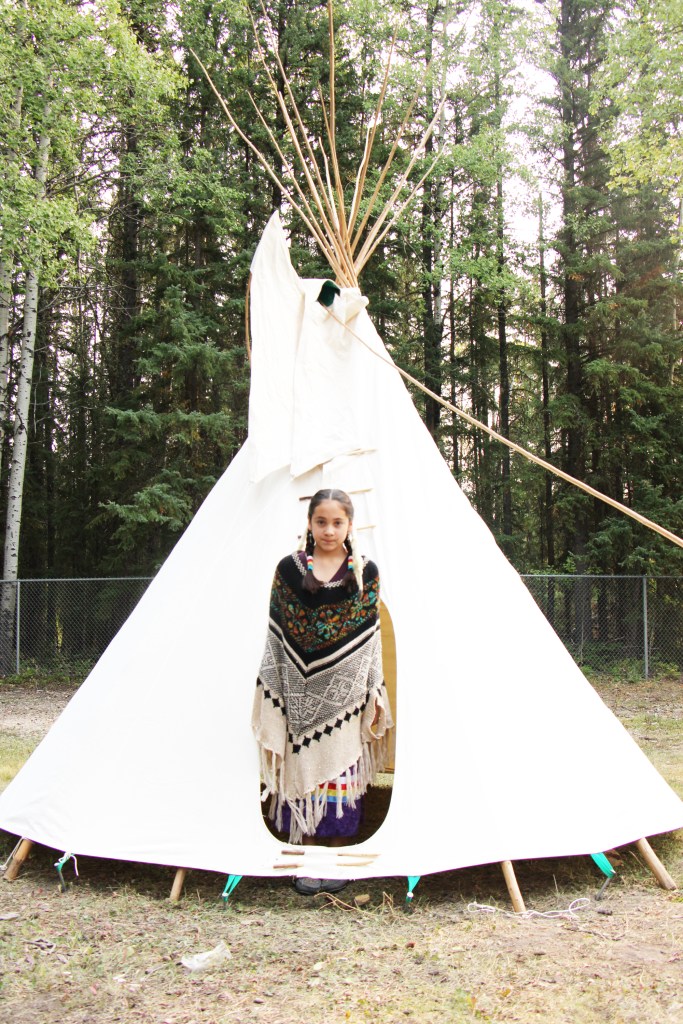
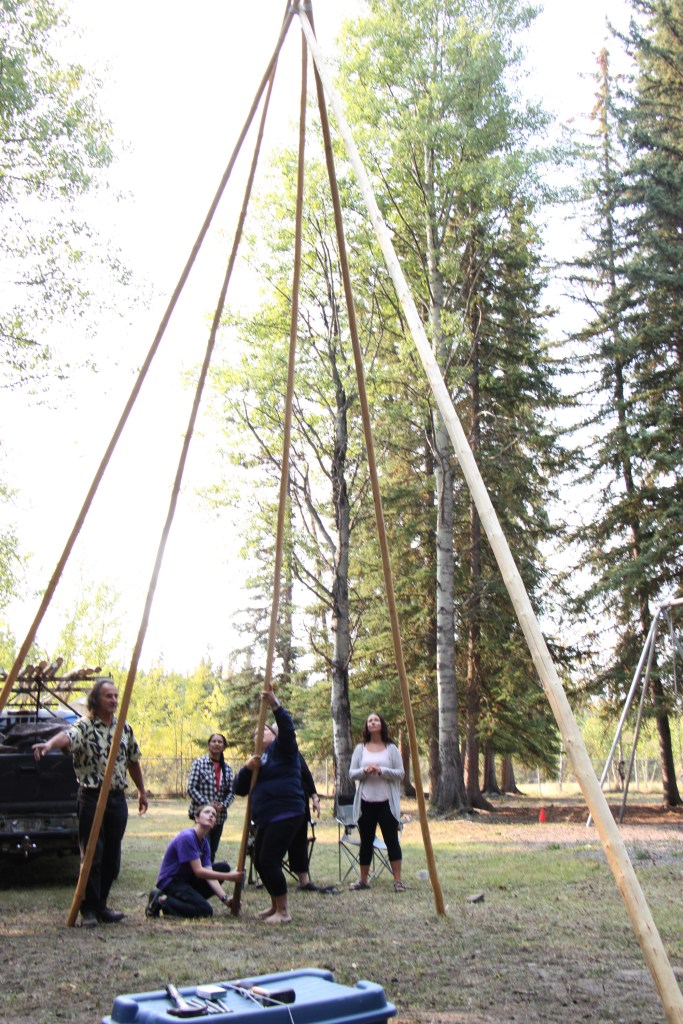
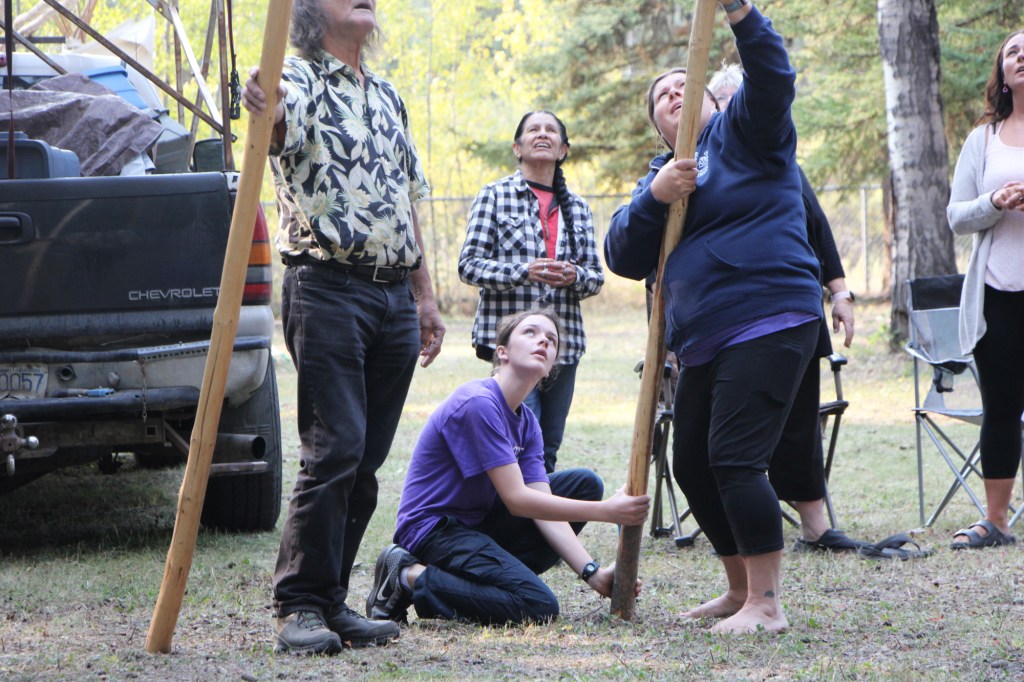
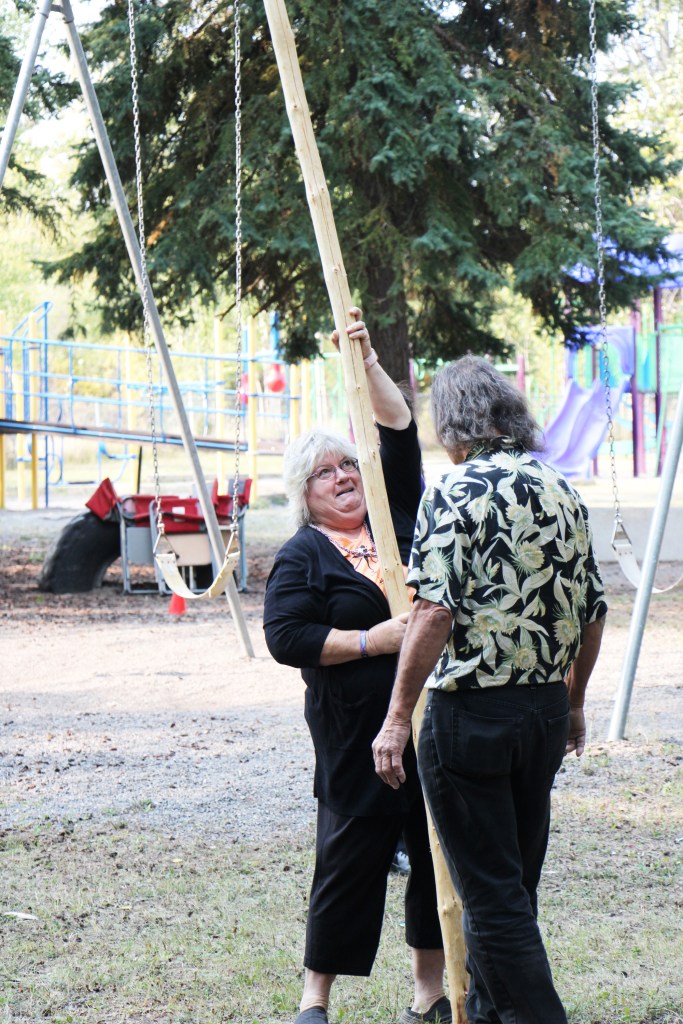
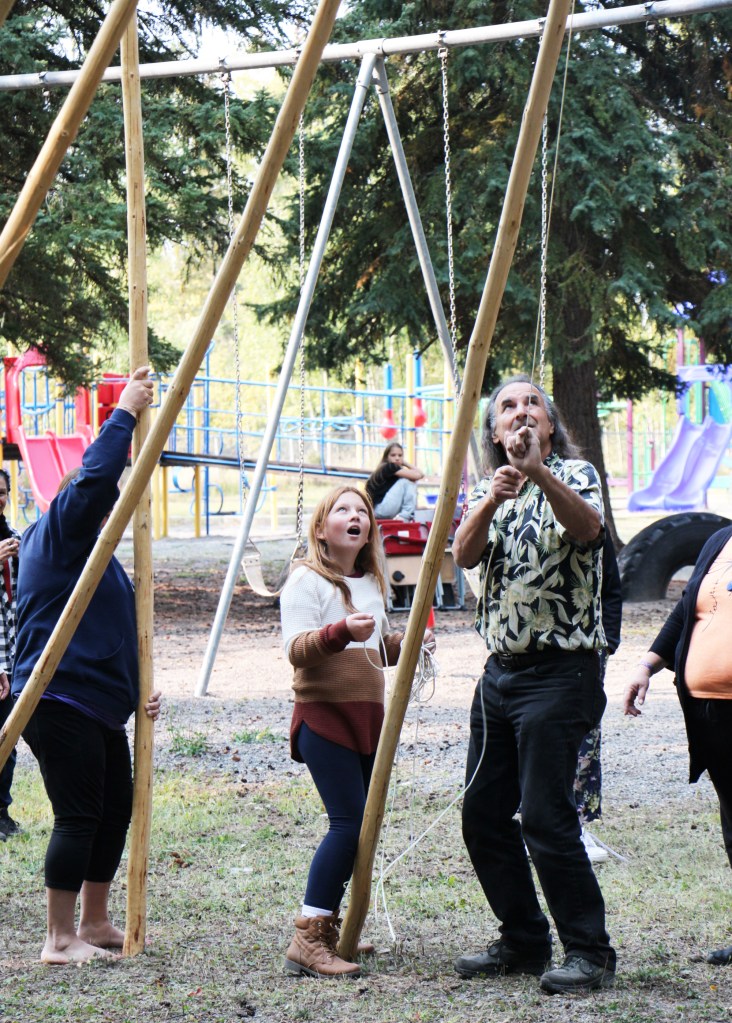
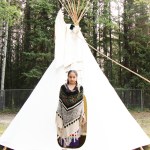
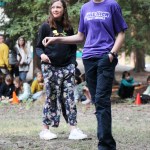
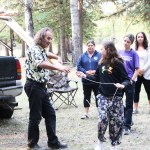
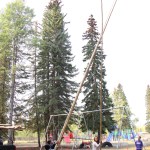
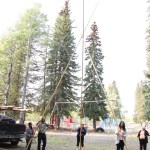
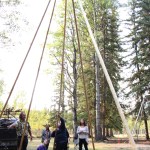
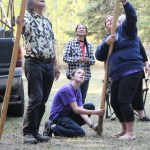
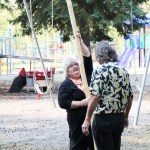
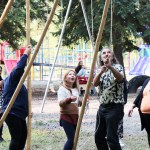
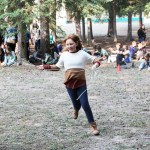
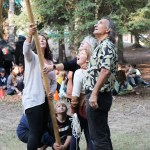
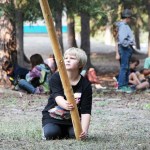
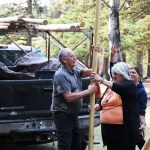
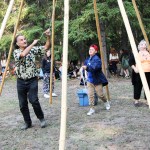
A new teepee has been raised at Horse Lake Elementary School, just in time for National Day for Truth and Reconciliation.
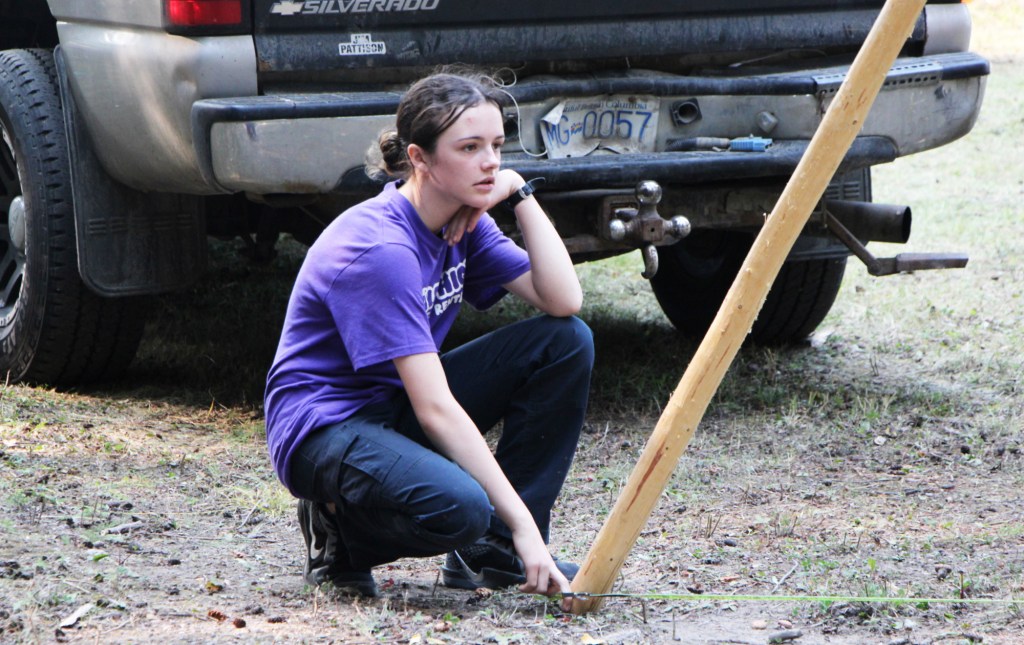
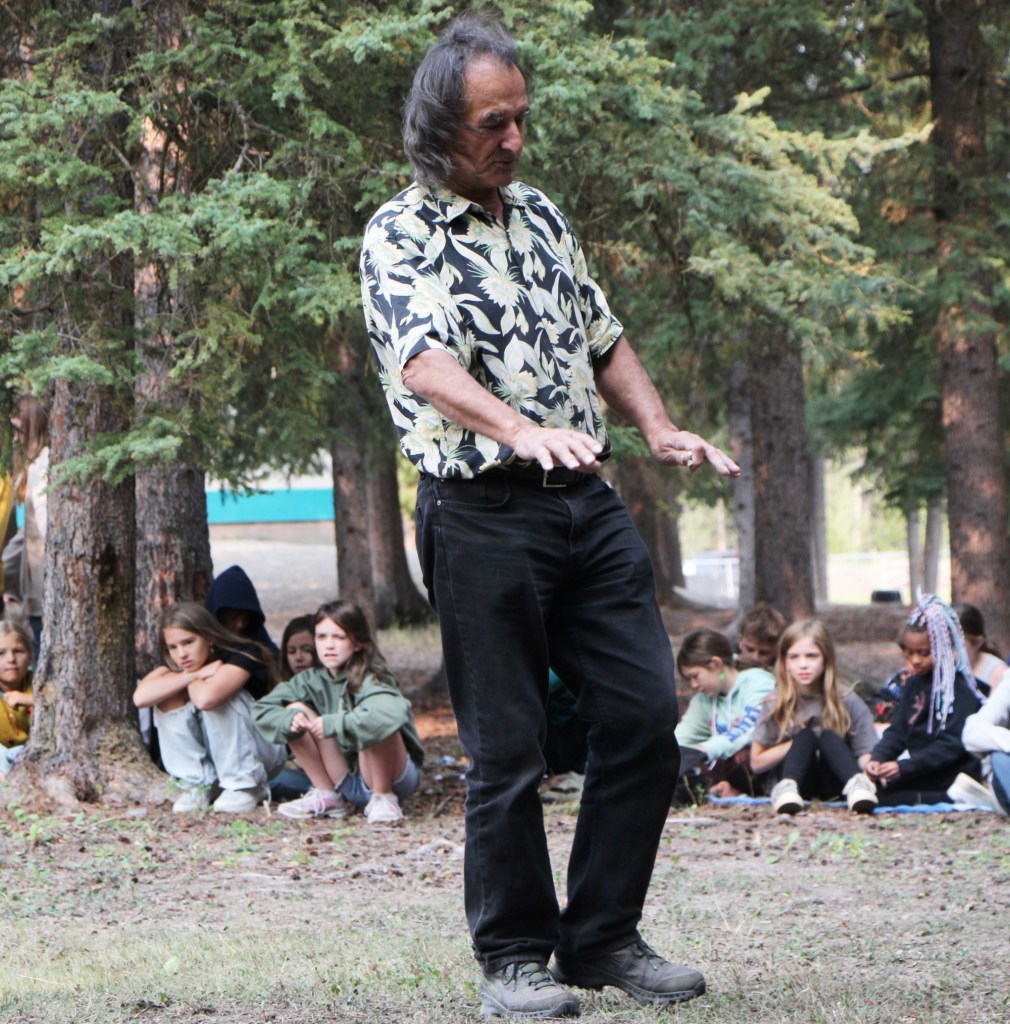
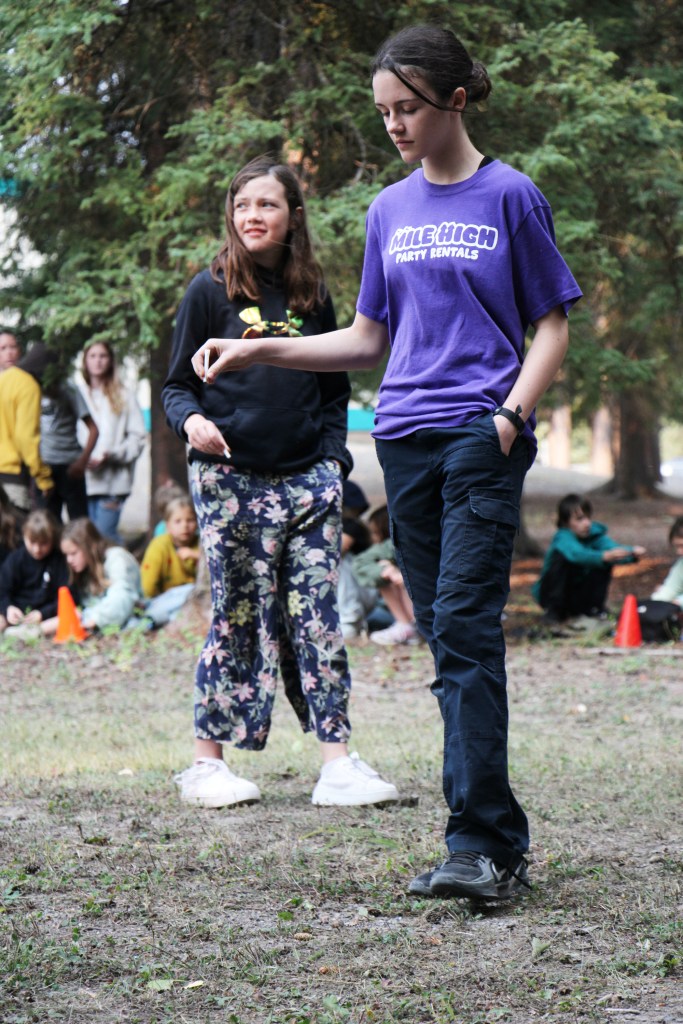
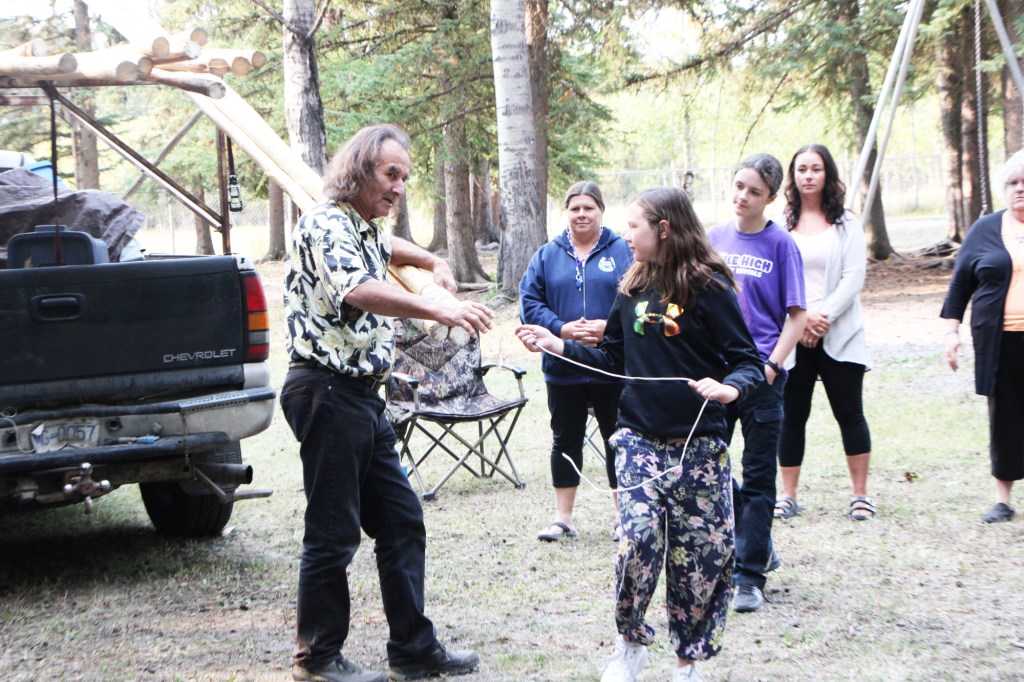
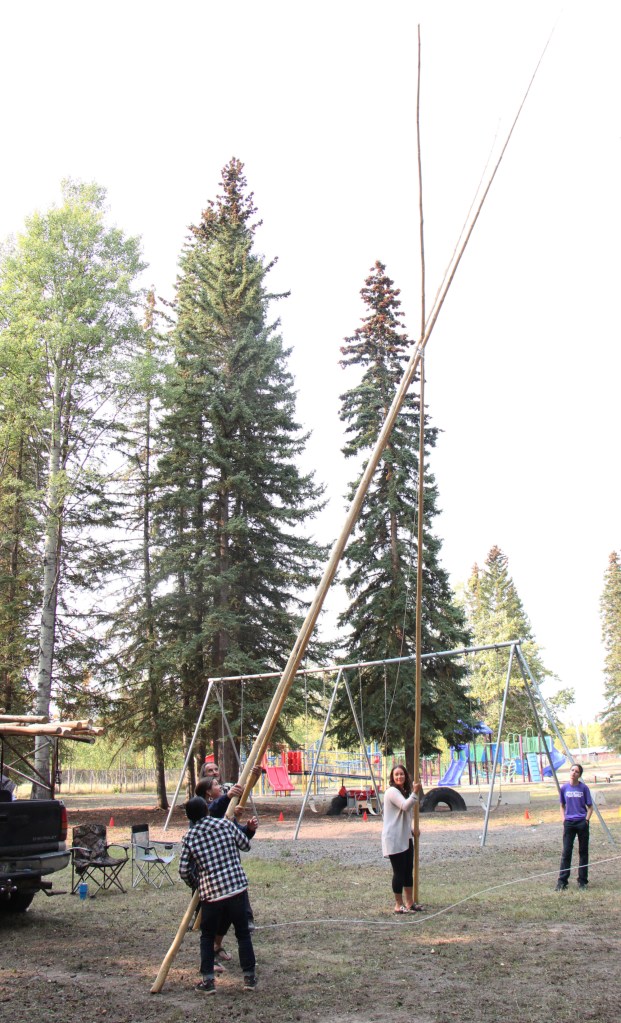
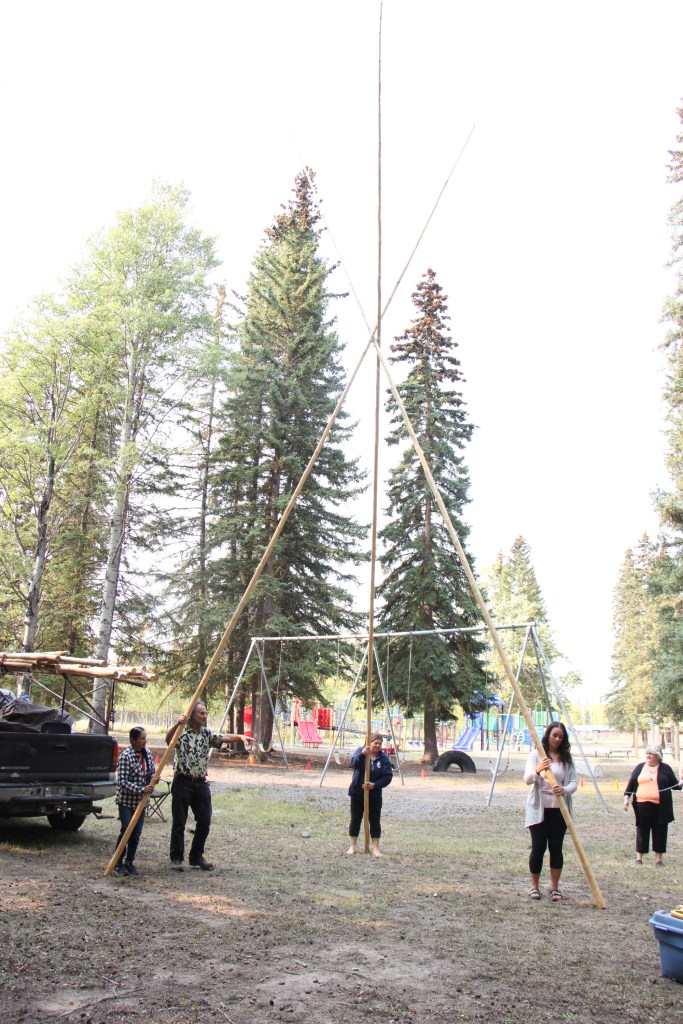
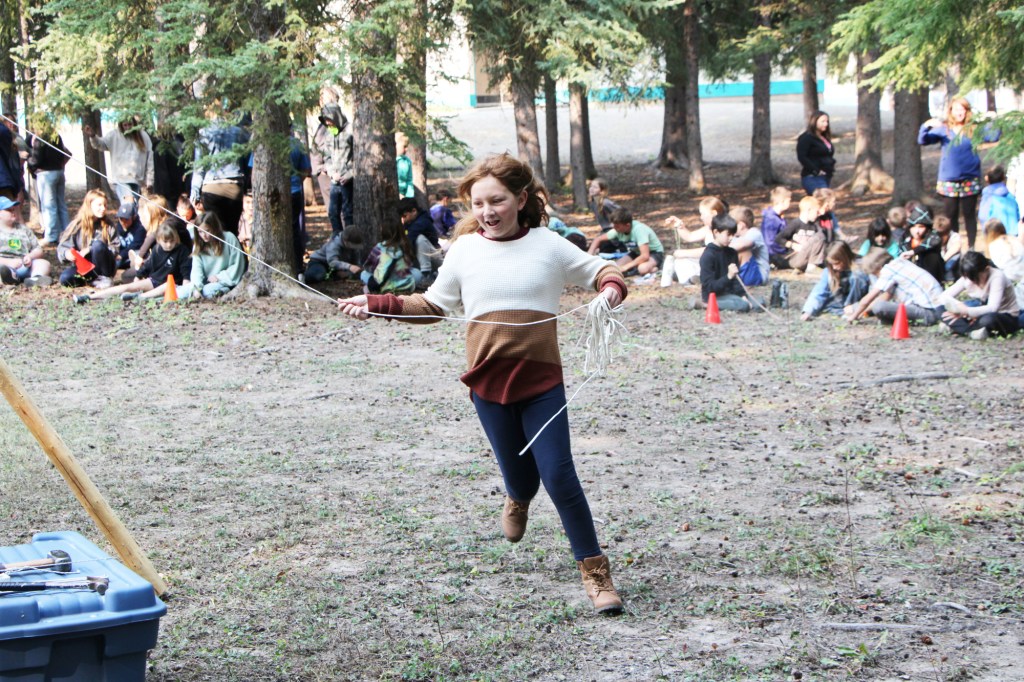
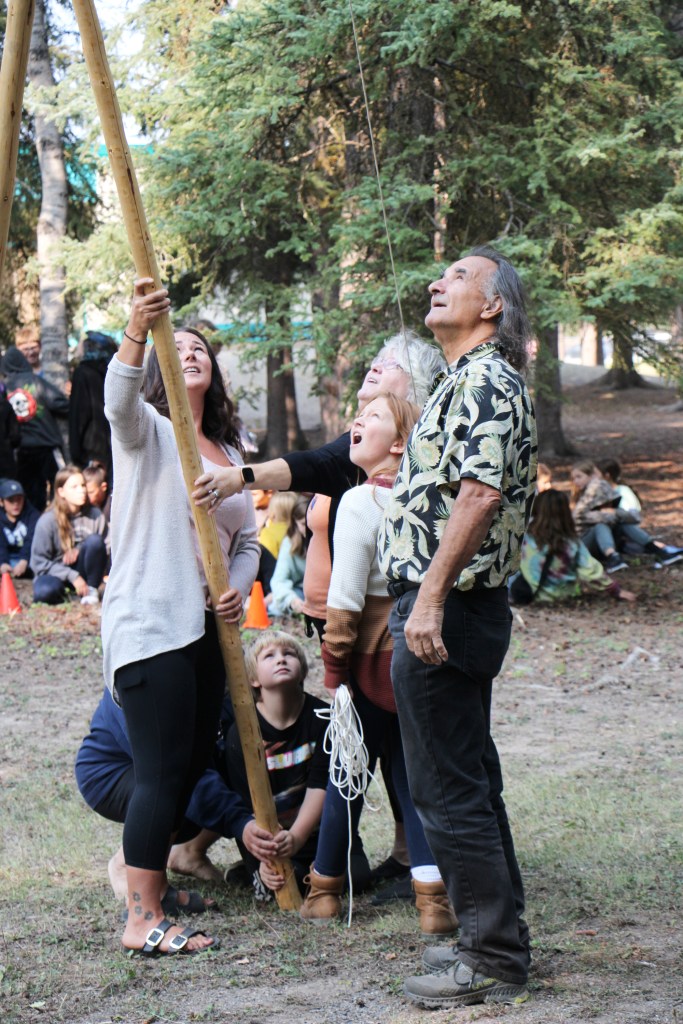
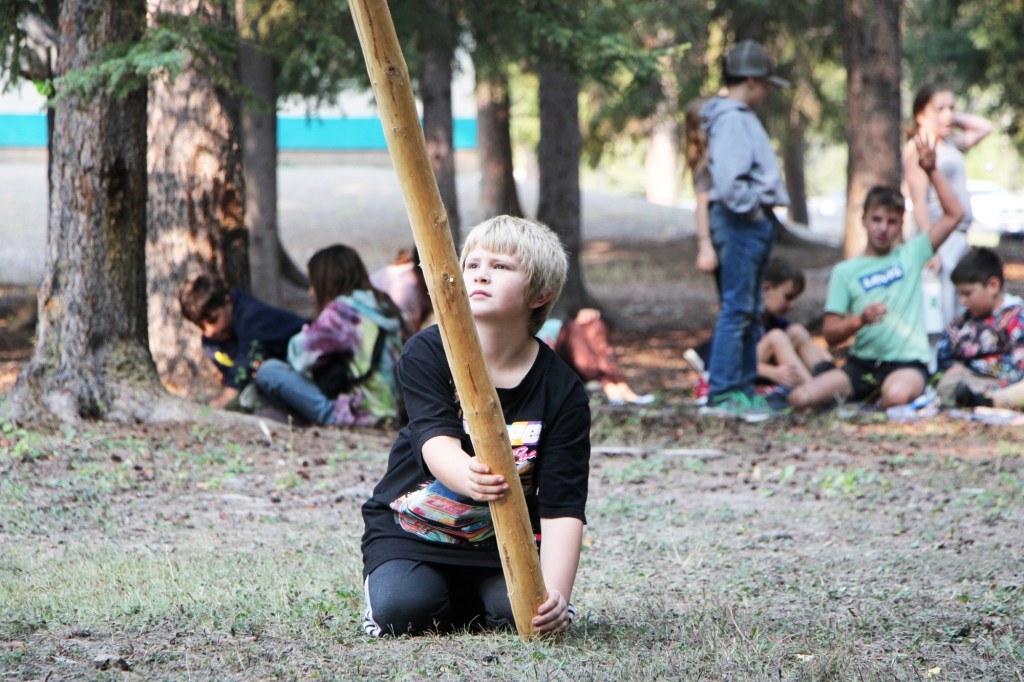
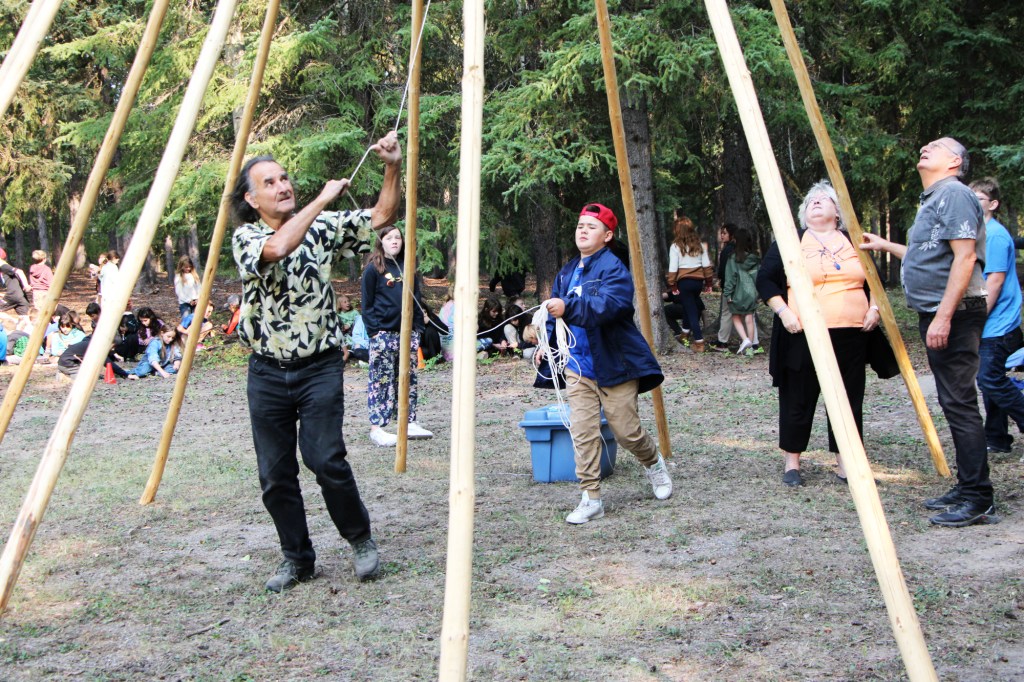
On Wednesday, Sept. 18, the entire school turned out to watch and take part in the construction of the teepee, a replacement for an older teepee that is no longer usable. Teaching them how to build it was Mukwa Teepees founder and owner, Tony Solomon.
"The school has had a long-term vision to have the teepees here, and they contacted us and we discussed pricing, details, and it fit their budget, so here I am," Solomon remarked. "It is rewarding to share a different perspective on technology, on culture and housing style."
Solomon is originally from Shebahonaning, Ontario and is a member of the Anishinaabe people, belonging specifically to the Mukwa Clan, which means bear in Anishinaabemowin. Over the years, he's worked a variety of jobs, moving from Ontario to B.C. several decades ago, until he founded Mukwa Teepees almost by accident. He remarked that the company almost built itself on its own, and all he did was do the physical work to get it off the ground.
Around 27 years ago, Solomon said he constructed a teepee for himself but didn't like it and decided to build another one. While he was doing this, someone asked if they could buy his first teepee, which he agreed to, before someone else offered to buy the second one, leading him to build a third one for himself. This pattern repeated itself several times before Solomon eventually turned his hobby into a business.
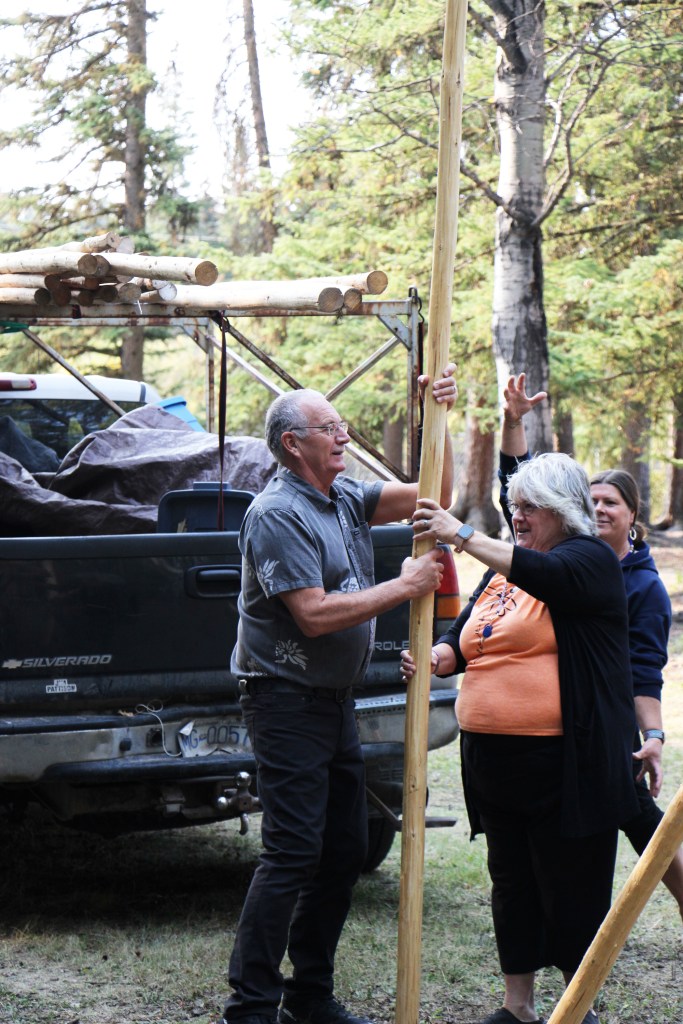
"My shop is in North Vancouver, where we manufacture the teepees, our poleyard is in the Okanagan, where we cut, peel and season the poles. The two get combined and we ship them out with a set of poles, a teepee cover and everything you need to put them up, including the instructions," Solomon said. "I advise people to never buy a teepee cover without the poles, because it's not easy to get out in the bush, get a forestry permit, find them, cut them down, peel them and transport them."
During the morning on Wednesday, Solomon taught both the teachers and students how to set up their new teepee, in addition to teaching them about the history behind teepees. Teepees are a form of free-standing structure usually consisting of a central tripod of poles bound together, augmented with several supporting poles, all covered by a teepee cover. Many First Nations groups across North America used them, often moving them from camp to camp each year.
To show Horse Lake Elementary how to build the teepee, Solomon first constructed a small 10-foot demonstration teepee before calling on students and teachers to help him build the large teepee, using 20-foot poles. Before its construction, he led the students in a ceremony to bless the land with an offering of tobacco. One thing Solomon wanted to make clear was that his teepees, made in the Anishinaabe style, are authentic.
"There's so much misinformation about teepees. I've travelled all over North America checking teepees, and they were atrocious. They didn't represent our culture at all," Solomon said. "They represented a stereotype that native people had shabby technology. When you look at the birch bark canoe, I have one, it's one of the best canoes in the world.
"It's the same with teepees, they're an amazing structure and designed to be used all year round. Doesn't matter if you're in a -40 blizzard on the prairies or you're somewhere warm. It's cool in the hot weather, warm in the cold weather, and dry in the rainy weather. They're designed to have a fire inside, which you can't do with a tent."
While teepees saw widespread use, they were not the common form of housing used by the local Secwépemc peoples who lived and still live throughout the Cariboo. Their chosen form of habitation was typically pit houses that were dug into the ground and reinforced with wood, featuring a central firepit. These pithouses helped people weather the bitter Cariboo winters for hundreds of years.
Horse Lake Elementary School's Indigenous support worker, Jodi Thomson, said they know that teepees weren't typically used in this area; however, constructing an authentic pithouse would have been too much of an undertaking for the school. She intends to use the teepee as an outdoor learning space and as a way to teach the students about Indigenous cultures. She noted the school was able to purchase the teepee with the support of the First Nations Education Council.
"I wanted another outdoor learning classroom. Kids and teachers can come in and have a quiet space to reflect, read, do art or some of their teachings," Thomson said. "I hope to do lots of stories around Orange Shirt Day and Truth and Reconciliation in the teepee and read to the classes."
Thomson said she wanted the school to at least watch, and in some cases participate, in the construction of the teepee so they could gain an idea of what life used to be like before our modern era. Watching the process of how a teepee was constructed was part of that and also allowed Thomson to ensure multiple people learned how to put it up. The teepee will be taken down during the winter and put up again during the spring, so having multiple people who know how it goes together will be useful.
"The kids have been involved, and I think more kids would like to be involved; it's just hard to get everybody to help with it," Thomson said, noting she asks anyone who enters the teepee to be respectful.