West Fraser blames 100 Mile House sawmill closure on high cost of logs
Published 9:00 am Friday, November 14, 2025
The high cost of logs and the belief that situation is not going to change is behind the permanent loss of 165 sawmill jobs in the B.C. Interior this week.
Rob Baron, regional manager of operations for West Fraser, said the firm considered all options before deciding to shutter its 100 Mile House sawmill.
“The conditions that precipitated the decision to go to permanent closure are really entirely related to long-term viability related to the high cost of saw logs coming to this mill,” Baron said.
Baron said it was a combination of tariffs impacting the revenue side of things, while haul distances and other costs raised expenses on the production side.
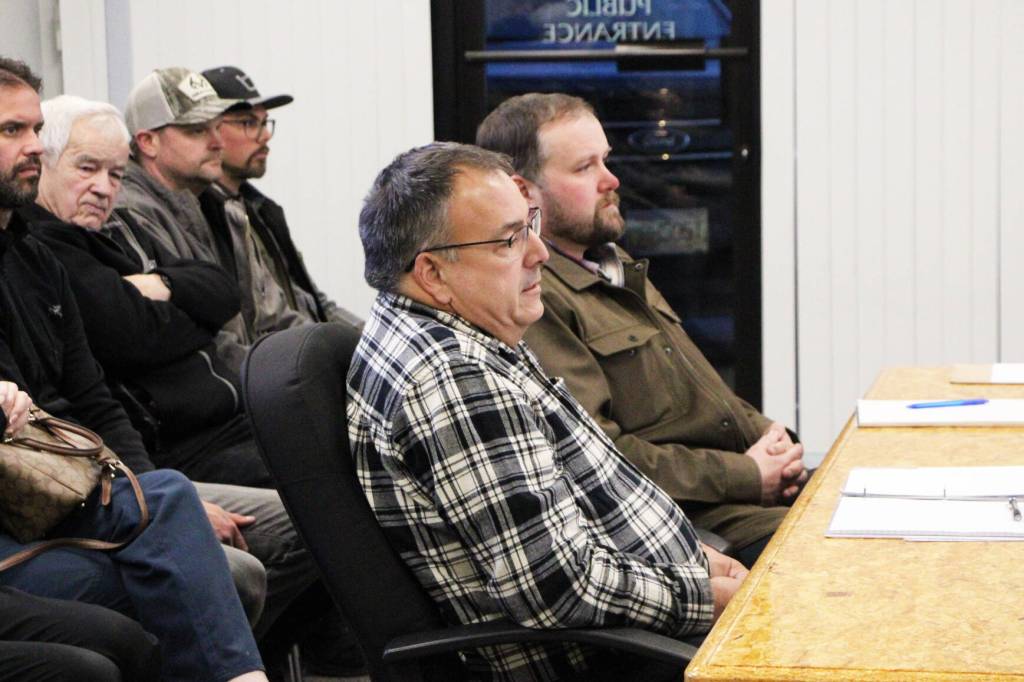
He and 100 Mile Lumber’s general manager Jeremy Schmidt took questions from 100 Mile House town council Nov. 12, just six days after West Fraser announced the wind-down of mill operation by the end of December.
Baron noted that an earlier conversation he had with the district in June about issues relating to cutting permit approvals had been resolved and didn’t factor into the closure decision.
West Fraser will be maintaining its local silviculture commitments regardless of the mill’s closure, he said.
As for the property itself, he answered a question about West Fraser selling the mill by saying anything is possible.
“Our plans, such as they are, are to wind down operations. It flows through the log yard, then sawmill, then kilns, planer mill and then shipping,” Baron explained. “While we still have our full complement of hourly employees, we’re going to get the plant in a steady and safe place so it goes through the winter undamaged. We’re going to lose our source of heat as soon as we start processing.”
Since the wind-down was announced, Baron said they have been talking extensively with their employees about how the shutdown will happen. They’re currently getting their coordinator set up and have resources on site to help their employees through the transition.
Baron had no hard numbers on how many employees plan to retire or stay in the community, noting that everyone is different and has decisions to make.
“As far as people interested in relocating to stay working for West Fraser, both in the hourly work force, production and trades, and also salary, management type employees, we’re only starting to get together the full list of vacancies across Western Canada,” Baron explained.
“We put a hiring freeze on in Western Canada, for both hourly and salary positions, and therefore we’ll try and place people as we can.”
Mayor Maureen Pinkney said she was surprised the firm was going straight to closure.
“We’re obviously hoping we can keep helping as many people as we can, and (your workers) are obviously going to be looking for other jobs. Any hint of something else going in there or anything we can help facilitate, we’re here and open for business to try and keep jobs in our community,” she said.